
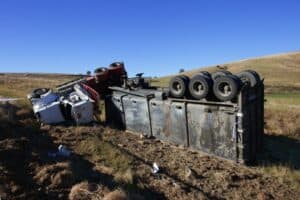

For people dealing with the aftermath of a truck crash in Texas, the legal questions can become more involved than those that follow an ordinary car accident. Commercial collisions may bring serious injuries, complex insurance issues, and questions about the actions of drivers, trucking companies, or other parties connected to the vehicle. A truck accident lawyer in Texas can help an injured person understand which details matter, identify potential sources of responsibility, and determine what evidence to preserve. With the right legal perspective early on, victims can approach the claim with a clearer understanding of the issues that may shape their recovery.
More Than One Party May Share Responsibility
A passenger-car collision usually focuses on the drivers’ conduct. A truck crash can require investigators to examine the driver, trucking company, maintenance provider, cargo loader, and vehicle manufacturer. Each party may have separate records, insurance coverage, and legal obligations.
For people dealing with injuries, Texas truck accident claims often require a broader review than a standard collision claim. The investigation may examine driver qualifications, training, hours behind the wheel, vehicle inspections, cargo placement, and company policies. These records can show whether unsafe conduct caused the crash or increased its severity.
Responsibility also depends on the driver’s work relationship. A trucking company may face liability for negligent hiring, poor supervision, unsafe scheduling, or ignored safety violations. A separate contractor may hold responsibility for maintenance or loading errors.
Evidence Can Disappear Quickly
Trucking companies often control records that can explain what happened before a collision. Those records include electronic logging data, onboard computer information, inspection reports, dash camera footage, dispatch messages, and maintenance histories.
Routine business practices can overwrite, delete, or lose some evidence. A prompt preservation request can help protect records before they disappear. Photographs, witness statements, medical records, and evidence of vehicle damage can also support the investigation.
The truck itself deserves close inspection. Brake problems, worn tires, steering defects, lighting failures, or improper cargo securement can point to a mechanical or loading cause. A complete investigation compares the vehicle’s condition with inspection records and applicable safety requirements.
Injuries And Losses Can Be More Severe
The size and weight of a commercial truck often create greater forces during impact. Occupants of smaller vehicles can suffer traumatic brain injuries, spinal damage, fractures, internal injuries, or permanent disabilities. Some victims face extended treatment, rehabilitation, and changes to their ability to work.
A claim can include medical expenses, lost income, reduced earning capacity, property damage, physical pain, and emotional distress. The value depends on the documented losses and the lasting effects of the injuries, not simply the fact that a truck was involved.
Future losses require careful proof. Medical opinions can explain expected treatment, while employment records and financial analysis can establish lost earning capacity. These details help connect the requested compensation to the crash’s actual consequences.
Insurance Issues Require Careful Review
Commercial trucking policies can involve higher limits and multiple layers of coverage. The driver’s policy, the carrier’s policy, an excess policy, or another company’s coverage may apply depending on the facts.
Insurance representatives often contact injured people soon after a collision. Early statements, recorded interviews, and settlement offers can affect the claim before the full extent of injuries becomes clear. Before signing documents or accepting payment, a person should gather medical information and understand the claim.
Texas law also imposes deadlines for filing personal injury claims. Missing a deadline can prevent recovery, even when the evidence supports fault. Reviewing the timeline early helps protect legal rights and identifies records that need immediate preservation.
What To Do After A Truck Crash
Anyone involved in a truck crash should seek medical care, report the collision, photograph the scene, and collect contact information from witnesses. Do not repair or discard the vehicle before documenting the evidence.
People should avoid giving recorded statements about fault without legal guidance. They should also keep treatment records, receipts, wage information, and symptom notes. These materials create a clearer record of the collision’s losses.
Conclusion
Truck crashes demand a broader investigation because commercial vehicles operate under layered rules, involve multiple responsible parties, and generate records that can disappear quickly. Injury victims should preserve evidence, follow medical instructions, document financial losses, and review insurance communications carefully. A timely case assessment can identify the responsible parties and protect important records. Anyone seriously injured should gather the crash report and medical documents before discussing a settlement or signing a release.