

Key Takeaways
- Understanding and mitigating common causes of car accidents can significantly enhance road safety.
- Implementing defensive driving techniques and staying alert are crucial for accident prevention.
- Regular vehicle maintenance and adherence to traffic laws play a vital role in reducing accident risks.
Introduction
Each year, countless lives are impacted by car accidents, most of which are preventable with the right knowledge and approach. Road safety is not only a personal responsibility but a collective one. By understanding and addressing the most common causes of car accidents, drivers can actively protect themselves, their passengers, and others on the road. In situations involving injuries or significant losses, consulting with car accident attorneys can provide essential support and guidance.
This guide offers actionable steps drivers can take to reduce their risk while fostering a culture of safety. Small, deliberate changes in driving habits can make a critical difference in preventing accidents and saving lives.
Maintain a Safe Following Distance
One of the primary causes of rear-end collisions is following too closely behind another vehicle. To maintain a safe buffer, use the three-second rule: pick a fixed point along the road and ensure there is at least a three-second gap between you and the car ahead as it passes that point. Increase this distance to five or six seconds during poor weather or when road conditions are hazardous. Maintaining this space gives drivers ample time to respond to sudden stops or emergencies, significantly lowering the chances of a collision. For more information about safe driving distances, visit NHTSA’s driver safety guidelines.
Stay Alert and Avoid Distractions
Distracted driving is a rapidly growing threat on the road, accounting for a significant share of crashes each year. Texting, talking on the phone, eating, or even changing the radio can divert your focus at a critical moment. Keeping your eyes on the road, your hands on the wheel, and your mind free of distractions is vital. Pull over safely if you must take a call or attend to another task. Prioritizing alertness can prevent devastating accidents and save lives.
It’s important to recognize that distractions can come from passengers or even your own thoughts. If you feel yourself becoming preoccupied, consider pulling off the road to refocus. Designating a mobile device storage area in your car, such as the glove compartment, can make it easier to resist temptation. Many vehicles today include built-in “do not disturb” modes for phones to help keep your attention where it belongs. Teens are especially at risk of driving distractions, so parents must set strong examples and establish clear expectations about mobile phone use and music controls while driving.
Adhere to Speed Limits
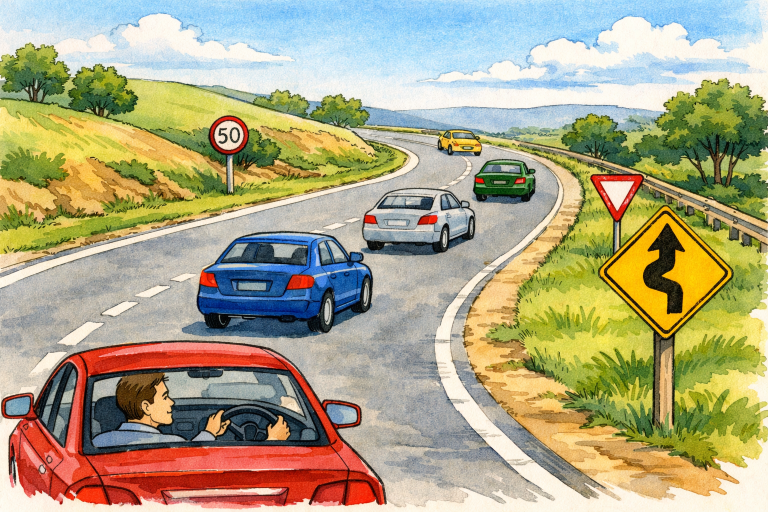
Speed limits exist for a reason. They are calculated based on a blend of road conditions, traffic flow, and accident data to keep everyone safe. Exceeding the speed limit reduces your capacity to react to unexpected changes, such as other drivers’ sudden movements, obstacles, or hazardous weather. Even a slight speed reduction can significantly shorten your stopping distance and improve your ability to avoid collisions. Remind yourself that arriving a few minutes later is far better than risking injury or worse.
Use Turn Signals and Check Blind Spots
Clear communication among road users prevents many accidents. Using your turn signals before changing lanes or making a turn alerts others to your intentions, enabling them to adjust their driving accordingly. Always check your blind spots by glancing over your shoulder in addition to using mirrors, especially on multi-lane highways where unseen vehicles may be in your path. These simple actions work together to minimize unexpected maneuvers and promote safer driving environments.
Additionally, always signal well in advance of your intended action, not at the last moment. This allows other drivers time to respond, reducing confusion and the potential for sudden lane changes or abrupt braking, both of which can lead to accidents. Checking blind spots doesn’t just keep you safer; it also shows respect for other road users, such as cyclists or motorcyclists, who may be harder to see but are especially vulnerable.
Practice Defensive Driving
Defensive driving means anticipating others’ actions and being ready to respond safely to changes on the road. This includes yielding to aggressive or erratic drivers, being cautious at intersections, and never assuming another driver will act predictably. Defensive driving courses are widely available and can sharpen your skills while potentially reducing your insurance premiums. Incorporating this mindset every time you drive reinforces a proactive approach to safety that benefits everyone.
Beyond human error, defensive driving also involves preparing for sudden changes in traffic patterns, unexpected obstacles, or roadway construction. Staying alert, scanning the road ahead, and avoiding unnecessary risks, such as engaging with aggressive drivers, can be lifesaving. Defensive driving isn’t about being overly cautious; it’s about being prepared to adapt to whatever the road throws at you.
Regular Vehicle Maintenance
Your vehicle’s performance directly affects your safety. Routine inspections of vital systems such as brakes, tires, lights, and fluid levels can alert you to issues before they become serious problems. Neglecting vehicle maintenance can lead to mechanical failures, such as brake failures or tire blowouts, which greatly increase the risk of accidents. Schedule check-ups according to your manufacturer’s recommendations and address any warning signs or dashboard alerts immediately. Preventive care is an essential pillar of safe driving. For more insights on vehicle care, the Consumer Reports vehicle maintenance guide provides in-depth resources.
Paying special attention to your tires is especially important; worn-out or improperly inflated tires can drastically reduce traction, especially during inclement weather. Ensuring your windshield wipers and headlights are functional improves your visibility and helps other drivers see you. Keeping a record of your maintenance also lets you track when each component was last serviced, reducing the risk of overlooking critical checks.
Be Cautious in Adverse Weather Conditions
Inclement weather, such as rain, snow, fog, or ice, creates slippery surfaces and reduces visibility, requiring extra caution from all drivers. In bad weather, reduce your speed, increase the distance between you and other vehicles, and use your headlights properly for maximum visibility. If conditions are particularly dangerous, delay travel until it is safe to do so. Planning and adapting your driving to changing weather conditions is key to preventing accidents.
Driving in challenging weather not only requires slower speeds but also more deliberate actions. Quick acceleration, abrupt braking, and sharp turns become much riskier. It’s beneficial to keep an emergency kit in your vehicle, including a flashlight, blankets, a first-aid kit, and non-perishable snacks. Being prepared for weather-related emergencies can ease stress and ensure your safety in case you become stranded or delayed. Always check the forecast before embarking on longer trips, and inform someone of your route and expected arrival time if you expect hazardous conditions.
Conclusion
Car accident prevention boils down to vigilance, adherence to traffic regulations, and proactive vehicle maintenance. By consciously applying these steps on every drive, you contribute not only to your own safety but also to the collective well-being of your community. Developing these habits today can help create safer roads for everyone tomorrow.
Remember, every driver plays a role in shaping the level of safety on our roads. Even the smallest improvement in your driving habits can go a long way. By setting a good example and continuing to educate yourself on road safety, you help foster an environment where accidents are less frequent, and families can feel more secure every time they travel. Safe driving is a lifelong commitment, and its benefits extend well beyond your own journey, making the roads better for everyone.