
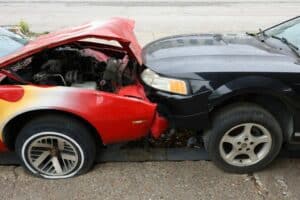

For people dealing with the aftermath of a car accident in Phoenix, repairing the vehicle may be only the first of many financial concerns. Even after a damaged car is back on the road, an accident can keep affecting a person through medical expenses, time away from work, transportation needs, and other costs not reflected in the repair invoice. Understanding these losses early can help drivers keep track of the financial impact while records and details are still available.
When a crash’s costs extend beyond vehicle repairs, a car accident lawyer can help Phoenix drivers understand which losses may be relevant to a claim and what documentation may support them. Reviewing medical records, wage information, transportation expenses, and other evidence can clarify the financial consequences. Legal guidance can also help an injured driver understand how Arizona law and the terms of an insurance settlement may affect available options.
The car can lose value after repairs
A vehicle can be worth less after an accident, even when repairs restore its appearance and operation. Buyers and dealerships often review accident histories before setting a price. That history can reduce trade-in or resale value.
This loss is called diminished value. The amount depends on factors such as the vehicle’s age, mileage, condition, repair quality, and accident history. A repair estimate alone does not measure diminished value.
Owners should keep photographs from the crash scene, repair invoices, inspection records, and documents showing the vehicle’s pre-crash condition. A written valuation can support a separate diminished-value request when state law permits one.
Transportation costs continue after the repair
A driver can face transportation expenses before, during, and after repairs. Rental charges, rideshare receipts, public transportation fares, and mileage records can support these costs. Each expense should show the date, purpose, and amount paid.
Some drivers also lose access to a vehicle while waiting for parts, inspections, or insurance approval. Delays can extend beyond the repair shop’s work. Calendar entries, rental agreements, and messages about repair delays help connect the expense to the collision.
An insurer can question transportation costs that lack documentation. A simple file with receipts and repair-status messages creates a clearer claim record.
Medical losses require complete records
A crash can cause emergency treatment, follow-up appointments, medication costs, physical therapy, and other medical expenses. Some symptoms appear after the initial impact, so a person should seek care and describe the accident accurately to medical providers.
Medical records should connect treatment to the collision without exaggeration. Bills, insurance statements, prescriptions, appointment records, and provider notes show what care occurred and what remains unpaid.
A person should also track travel to medical appointments and any health-related equipment. Those expenses can become difficult to prove months later if the records are missing.
Missed work can create a separate claim
Time away from work can reduce income through missed shifts, unpaid leave, lost commissions, or used paid time off. An employer can document missed dates, regular pay rate, scheduled hours, and any affected benefits.
Self-employed workers need different records. Tax returns, invoices, contracts, appointment calendars, and business communications can show work that the collision prevented.
Future income losses require careful support. Medical restrictions, job duties, and physician opinions can help explain why an injury affects continued work. A claim should separate confirmed lost wages from projected losses.
Evidence should continue after the settlement offer
An insurer’s first offer often addresses the information already received. It does not automatically account for expenses that appear later or losses that were never submitted. A driver should review the offer against medical bills, wage records, transportation costs, and vehicle-value evidence.
Signing a release can end the claim for the covered losses. Before accepting payment, the injured person should confirm what the document releases and whether treatment is complete. State deadlines also control how long a person has to pursue a claim.
A written timeline can organize the case. It should list the collision date, repair period, medical visits, missed workdays, expenses, insurance communications, and settlement offers.
Conclusion
A repaired vehicle addresses one visible result of a collision, while financial losses often continue through treatment, missed work, transportation needs, and reduced resale value. Drivers should preserve receipts, medical records, wage information, repair documents, and insurance correspondence before accepting a settlement. The practical next step is to build a complete loss file and compare every expense with the proposed payment. Legal guidance can clarify state deadlines, release terms, and what you can recover.