
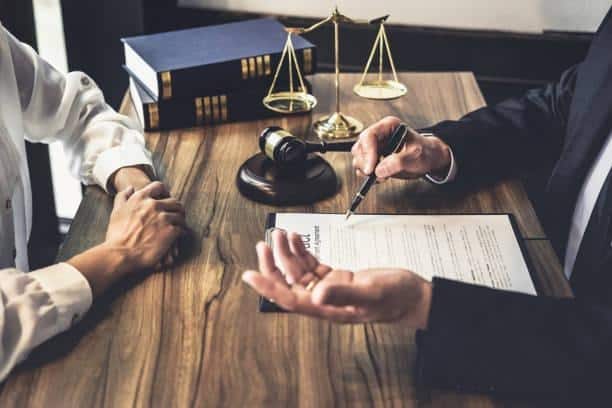
You still need a lawyer even if you are innocent because the legal system is complicated, and one small mistake can change everything. Being innocent does not automatically protect you from charges, court procedures, or serious consequences. A lawyer is there to protect your rights, guide your decisions, and make sure your side of the story is heard clearly and correctly.
Many people think innocence is enough to keep them safe after facing criminal charges. It feels logical. If you didn’t do anything wrong, why worry? But the truth is, the legal system doesn’t run on feelings or fairness alone. It runs on rules, deadlines, evidence, and procedures. Without legal help, it’s easy to say the wrong thing, miss an important step, or misunderstand what’s happening around you.
A lawyer acts as your shield and your voice. They know how to handle police questions, court paperwork, and negotiations. They spot risks that most people would never notice. Even when the truth is on your side, you still need someone who knows how to defend it properly.
Why a Lawyer Is Critical Even When You Did Nothing Wrong
Innocence Does Not Stop the Process
The law treats you as part of a system, not as a story. Police still collect evidence. Prosecutors still build a case. Judges still follow procedure. Your innocence does not pause any of that.
Once you enter the system, rules apply fast. Miss one deadline or say one wrong thing, and you can weaken your own case. A lawyer keeps you from stepping into traps that you did not know existed.
Under the Fifth Amendment, you have the right to remain silent. Under the Sixth Amendment, you have the right to legal counsel. Those rights exist because people can harm their own case without meaning to. A lawyer helps you use those rights the right way.
Your Words Can Be Used Against You
People who are innocent often want to explain everything. That instinct makes sense. It also creates risk.
Police are trained to listen for details that support a charge. Even small mistakes can look like lies.
A lawyer helps you:
- Know when to speak and when to stay quiet
- Avoid guessing or filling in gaps
- Answer only what is required
- Protect your statements from being twisted
Anything you say can become evidence. Your lawyer makes sure your words do not work against you.
Evidence Needs Review
Evidence does not always tell the full truth. A lawyer checks:
- How evidence was collected
- Whether searches followed the Fourth Amendment
- If witnesses gave reliable statements
- If records were altered or incomplete
Illegal searches can lead to suppressed evidence. The Fourth Amendment protects you from “unreasonable searches and seizures.” A lawyer knows how to enforce that protection.
Without one, harmful evidence may stay in your case even if it should not.
The System Rewards Experience
Court does not run on common sense. It runs on paperwork, timelines, and exact wording.
Your lawyer handles:
- Court filings
- Motions
- Hearings
- Negotiations
They know local judges and prosecutors. They know how cases move in your area. That knowledge saves you time and reduces mistakes.
You should not have to learn how the system works while it moves against you.

Innocent People Still Get Convicted
This part is uncomfortable but real. Innocent people do get convicted. It happens because of:
- False witness claims
- Poor evidence handling
- Bad legal advice
- Confessions made under pressure
The law does not guarantee perfect outcomes. It guarantees a process. A lawyer improves your odds inside that process.
Lawyers Create a Record
Your case is not just about today. It is also about appeals and future review.
A lawyer:
- Preserves objections
- Documents errors
- Builds a clear legal record
If something goes wrong, that record matters. Without it, fixing mistakes becomes much harder.
Key Takeaways
- Innocence does not stop legal action.
- Your words can become evidence.
- Evidence must be challenged.
- Legal process rewards experience.
- Innocent people can still face conviction.
- Lawyers protect your rights and your future.