
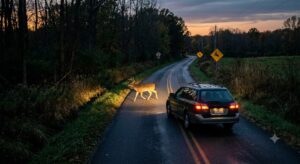

Animal crossings contribute to rural accidents because wildlife frequently enters roadways unexpectedly. Drivers have little time to react. These encounters sometimes lead to collisions with animals; other times, they cause drivers to swerve into roadside objects, ditches, or other vehicles.
Rural roads present a unique set of driving challenges that differ from those you encounter in urban areas. From lower traffic volumes and higher travel speeds to limited lighting and large wildlife populations, the conditions are conducive to animal-related crashes, which are a serious concern. Knowing why these incidents happen can help you recognize the risks and drive more carefully. You’ll also better understand the circumstances that may arise when an accident results in vehicle damage, legal questions, or injuries.
Why Animal Crossings Increase the Risk of Rural Road Accidents
Unpredictability is one of the biggest reasons why animal crossings contribute to so many accidents.
Vehicles follow traffic rules and predictable movement patterns. Wildlife doesn’t.
A deer can emerge from a wooded area in seconds. Smaller animals might dart across the pavement without any warning. If you’re driving on a rural road, you might only have a brief moment to identify the hazard and react.
Visibility is another significant factor. Rural areas typically have fewer streetlights, making it harder to spot animals until they’re directly in front of a vehicle. Even activating high-beam headlights might not provide enough advance warning when roads curve around hills, fields, or forests. At dusk and dawn, when many animals are at their most active, visibility can become even more challenging.
Speed always compounds potential dangers. Drivers often travel faster on rural roads because traffic is typically lighter and the roads appear open.
While higher speeds might seem safe in normal conditions, they significantly reduce reaction time when any animal enters the roadway. If you’re driving at highway speeds, you might only have a fraction of a second to choose between braking, steering, or maintaining course.
Seasonal wildlife behavior adds another layer of risk, as animals may cross roads more frequently. Migration periods can be problematic. Mating seasons change animal behavior. Food and water sources can shift. Deer-related crashes often increase during their breeding seasons because the animals cross greater distances while paying less attention to the surrounding dangers. These patterns can cause spikes in accidents in certain regions and times of year.
Road design also affects the likelihood of animal encounters. Many rural routes pass environments ranging from forests and farmland to wetlands and natural habitats. In some locations, roads practically divide animal travel paths. Without warning systems, fencing, or wildlife underpasses, animals and vehicles wind up sharing the same spaces.
The potential consequences are dangerous, and the danger often arises without warning.
What Happens When Drivers React To Avoid Wildlife
Even if you avoid colliding with an animal on a rural road, there are other concerns. A driver’s reaction can create an even more serious accident. Instinctively swerving to avoid a deer or other large animal might cause a vehicle to cross into oncoming traffic. Even if no other cars or trucks are present, a long vehicle can hit a tree or guardrail, or end up in a ditch. These secondary crashes can result in serious injuries and extensive property damage.
Vehicle type and style can influence the outcome. Bigger trucks and SUVs might be more stable during emergency maneuvers, whereas smaller vehicles can be more susceptible to losing control. Weather conditions, such as fog, rain, or ice, further reduce traction; sudden steering corrections become riskier.
What started as an innocent attempt to avoid wildlife can quickly spiral into a multi-vehicle collision. Accident investigators have their work cut out for them.
Much of their work focuses on the sequence of events. Evidence can range from skid marks and road conditions to vehicle damage and witness statements; collectively, it can help determine what happened. If injuries result from a crash, documentation becomes vital. It’s necessary for insurance claims at a minimum. However, it can also be necessary for potential legal disputes regarding liability and damages.
In situations involving serious injuries, people sometimes seek professional guidance from a car accident lawyer like the experienced attorneys at Thomas Law Offices. They understand how evidence, fault issues, and insurance coverage can impact a case. Every situation is different, but wildlife-related crashes can raise complex questions.
A split-second decision is all it takes to change everything, and multiple vehicles may wind up involved.
Reducing the Risk of Wildlife-Related Crashes
Awareness is still one of the most effective safety tools. Wildlife crossing signs are placed in spots where animal activity is common. Take those warnings seriously, because they can make a difference.
If you notice one animal crossing the road, stay alert. Others might follow, particularly with herd animals, such as deer.
Adjusting speed during a high-risk moment can provide you with valuable reaction time. Dusk, dawn, and all the nighttime hours in between are commonly associated with increased wildlife movement. Slow down in areas known for animal activity; you’ll have a better chance of spotting hazards early enough to respond safely.
If an animal appears suddenly in your path, experts have a general recommendation you should follow: brake firmly while maintaining control of your vehicle. This usually works out better than making a sharp swerve. Every situation is unique, but maintaining your lane typically reduces the risk of a more serious collision. If an accident with wildlife does happen, consider consulting a car accident lawyer. You might have legal options available to you if disputed claims, injuries, or significant losses are involved.
In any situation, preparation is usually your best defense.
A Constant Looming Threat
Animal crossings are still a major factor in many rural road accidents. These are environments where visibility and reaction time are already limited, and animals present sudden, unpredictable hazards. Wildlife activity patterns, challenging road conditions, and higher travel speeds all combine to make these encounters lead to serious crashes. When you understand how and why these accidents happen, you can make safer driving decisions and better navigate the aftermath should an incident happen.