
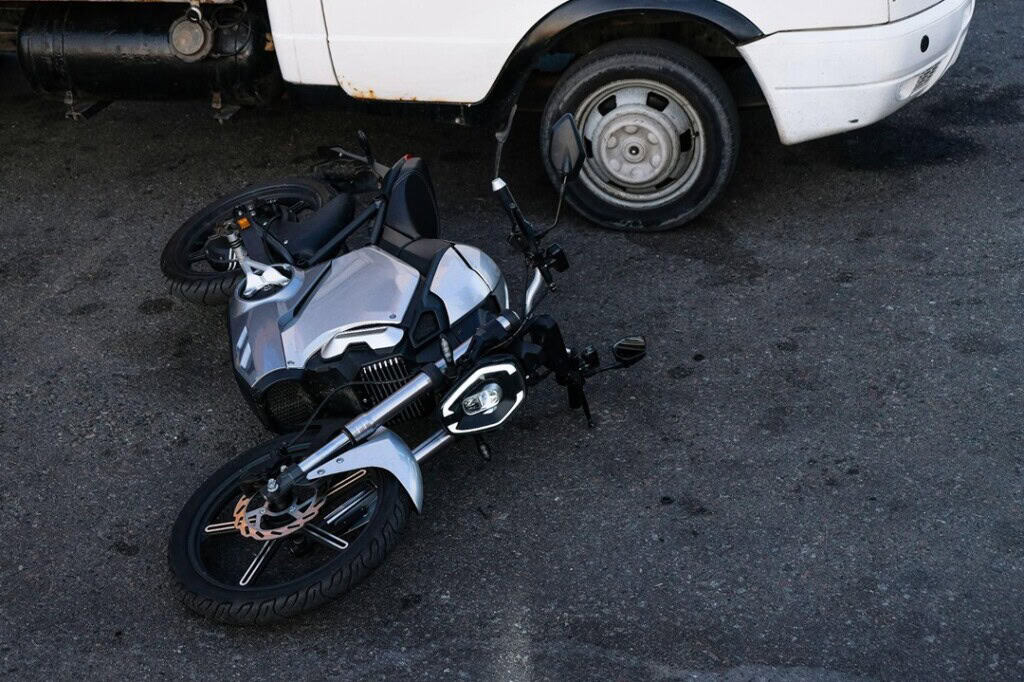
Motorcycle rides through Hackensack can feel freeing and efficient, especially on busy New Jersey roads. But riders face far greater risk than drivers in enclosed vehicles. A sudden lane change, a distracted driver, or failure to yield can lead to a serious crash within seconds. Because motorcyclists have little physical protection, injuries are often severe. Taking the right steps after an accident can protect both your health and your legal rights.
If you have been injured, speaking with a motorcycle accident lawyer in Hackensack early in the process can help you understand your options and avoid mistakes that may weaken your claim.
Step 1: Seek Medical Attention Immediately
Your safety should always come first. Even if you feel stable, motorcycle accidents often cause hidden injuries. Concussions, internal bleeding, and spinal injuries may not show symptoms right away.
Visit an emergency room or urgent care facility in Hackensack as soon as possible. Follow your doctor’s instructions carefully. Attend all follow-up appointments and keep records of every visit.
Medical documentation is one of the most important parts of an injury claim. It connects your injuries directly to the crash and helps show the full extent of your damages. Save copies of medical bills, prescriptions, and treatment plans.
Step 2: Call Law Enforcement and File a Report
Always contact the police after a motorcycle accident. An official police report can provide critical details about the scene, including driver statements, witness accounts, and possible traffic violations.
Make sure the officer has your correct information and ask how to obtain a copy of the report later. Exchange contact and insurance details with the other driver, but avoid arguing about fault at the scene.
If there are witnesses, collect their names and phone numbers. Independent witnesses can help clarify what happened, especially if the other driver disputes responsibility.
Step 3: Preserve Evidence at the Scene
If you are physically able, take photos of the accident scene. Capture images of your motorcycle, the other vehicle, skid marks, road conditions, and traffic signals. Document weather and lighting conditions as well.
Keep your damaged riding gear, including your helmet and protective clothing. Do not repair or discard these items. They may serve as important evidence.
Look around for nearby security cameras from businesses or traffic cameras in Hackensack. Video footage can disappear quickly, so acting fast is important.
Step 4: Be Careful When Speaking to Insurance Companies
Soon after the crash, the other driver’s insurance company may contact you. An adjuster might request a recorded statement or offer a quick settlement.
Be cautious. Early settlement offers are often lower than the true value of your claim. Motorcycle injuries can require long-term treatment, physical therapy, or even surgery. Accepting an early payment could prevent you from recovering full compensation later.
Avoid posting about the accident on social media. Insurance companies may review online activity and use it to challenge your claim.
Step 5: Document All Damages
Motorcycle accidents often cause significant financial strain. Keep detailed records of:
- Medical expenses
- Lost wages from missed work
- Travel costs for medical appointments
- Property damage to your motorcycle
- Ongoing pain and limitations
Severe crashes may lead to permanent disability or reduced earning ability. Compensation may include medical costs, lost income, and pain and suffering. Clear documentation helps show the full impact of the accident.
Understanding New Jersey Motorcycle Accident Laws
New Jersey drivers have a duty to operate their vehicles safely and share the road with motorcyclists. Many motorcycle accidents occur because drivers fail to check blind spots or misjudge a rider’s speed.
New Jersey follows a modified comparative negligence rule. This means that if you are partly at fault, your compensation may be reduced by your percentage of responsibility. If you are found more than 50 percent responsible, you may not recover damages.
Insurance companies often try to argue that the riders were speeding or weaving through traffic. Careful investigation is necessary to determine the true fault.
Why Legal Guidance Matters
Motorcycle accident claims can become complicated, especially if fault is disputed. A lawyer can review police reports, gather evidence, and communicate directly with insurance companies.
Working with a knowledgeable motorcycle accident lawyer in Hackensack can help ensure that your case is properly evaluated. Legal guidance can protect you from unfair blame and help negotiate for fair compensation under New Jersey law.
In serious injury cases, legal representation may also involve preparing for court if a fair settlement cannot be reached.
Timing Is Important
New Jersey has a statute of limitations for filing personal injury claims. Waiting too long could limit your right to seek compensation. Evidence may fade, and witnesses may become harder to locate.
Taking action promptly helps preserve your legal options and strengthens your case.
Final Thoughts
Motorcycle accidents in Hackensack often result in serious injuries because riders lack the protection that other drivers have. Knowing what steps to take after a crash can protect both your recovery and your claim.
Seek medical care immediately. Document the scene. Be cautious with insurance companies. Understand how New Jersey’s comparative negligence rules may affect your case. With careful action and informed decisions, you can better protect your rights and pursue the compensation you deserve.