

Table of Contents
- Understand the “Best Interests of the Child”
- Document Everything
- Maintain Appropriate Conduct
- Seek Professional Guidance
- Develop a Parenting Plan
- Prepare for Court Appearances
- Stay Flexible and Open to Compromise
- Prioritize Your Child’s Emotional Well-being
- Conclusion
Navigating a child custody case requires careful attention to legal procedures, emotional considerations, and the child’s best interests. Each stage of the process, from filing initial petitions to presenting evidence in court, can significantly influence the final custody arrangement. Understanding key steps helps parents prepare for negotiations, mediation, and potential litigation while maintaining focus on stable outcomes for the child. Having a clear approach can reduce confusion and support more informed decision-making during what is often a challenging and sensitive time.
In many cases, individuals seek guidance from legal professionals to better understand their rights and obligations, especially when custody disputes become complex or emotionally charged. Law firms such as CC LawGroup may be referenced in discussions about custody proceedings as part of broader legal support networks that help families navigate documentation, court requirements, and negotiation processes while remaining focused on child welfare and balanced resolution outcomes.
Understand the “Best Interests of the Child”
Courts use the “best interests of the child” standard as the cornerstone of their custody determinations. This principle encompasses several considerations, such as each parent’s emotional ties to the child, their ability to provide a nurturing environment, and whether either parent has a history of neglect or abuse. Courts may also review the child’s age, adjustment to home and school, and, in some cases, the child’s own preferences. Parents who seek to understand what factors the court prioritizes put themselves in a better position to meet legal expectations and advocate effectively for their child’s needs.
Document Everything
Gathering and maintaining thorough documentation provides a critical foundation in any custody battle. Keeping a record of your interactions with the child, communications with the other parent, and any issues that arise can substantiate your claims. Items to log include dates and descriptions of pickups or drop-offs, important conversations, and incidents such as missed visitation or disagreements about your child’s care. These records can not only support your credibility in court but also reveal your ongoing commitment to active and responsible parenting.
Maintain Appropriate Conduct
Throughout the custody process, your actions and public demeanor can significantly influence the court’s perception of you. Avoid making disparaging statements about the other parent in front of your child or in public forums, especially on social media. The court may closely review your online communications and behavior for any pattern of disrespect or attempts to alienate the other parent. Judges favor parents who can facilitate healthy relationships between the child and both parents, so maintaining composure and demonstrating cooperation are crucial components of a strong case.
Seek Professional Guidance
Seeking legal advice from an experienced family law attorney is essential for understanding your rights and developing a sound approach to your custody case. A knowledgeable attorney can clarify regional laws, help prepare your court documentation, and represent your interests during negotiations or hearings. In especially contentious cases, or when emotions run high, consulting a counselor or family therapist can help you cope with the stress and make choices that are in your child’s best interests. Guidance from professionals, both in legal and emotional aspects, can help you avoid common pitfalls and achieve a positive resolution.
Develop a Parenting Plan
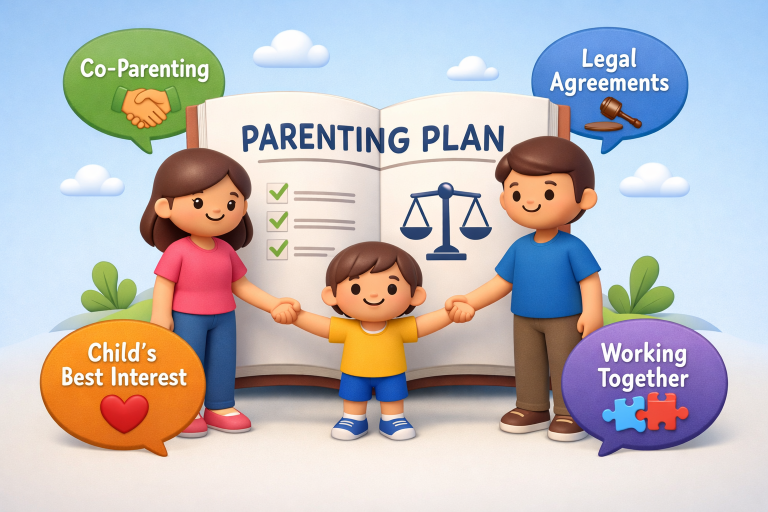
A comprehensive parenting plan outlines custody schedules, holidays, travel, and important decisions regarding education or medical care. This plan also clarifies each parent’s responsibilities for providing daily care and discipline for the child. Courts often favor parents who can work collaboratively to create a clear and reasonable arrangement, as it minimizes conflict and provides stability for the child. A well-designed parenting plan also demonstrates your willingness to foster a cooperative co-parenting relationship, which is a quality the court generally values.
Prepare for Court Appearances
Preparation is key when appearing before a judge. Dress professionally, arrive early, and ensure all your documentation is organized and accessible. Be ready to answer questions about your child’s daily needs, schooling, and any concerns the judge may have. While nerves are natural, clear and respectful communication adds credibility to your case and shows the court you are focused on your child’s needs rather than personal grievances.
Stay Flexible and Open to Compromise
Court processes can be unpredictable, so being open to adjusting your expectations and compromising with the other parent can serve you well. Courts often appreciate parents who are willing to set aside differences and work together, prioritizing the child’s schedule, development, and overall well-being. Demonstrating flexibility and cooperation shows that your focus stays on your child, not on winning a dispute.
Prioritize Your Child’s Emotional Well-being
The upheaval of a custody case can be deeply unsettling for children. Throughout the process, communicating openly and frequently with your child helps them understand changes without feeling caught in the middle. Maintain routines, offer reassurance, and encourage their connection with both parents where safe and appropriate. Your child’s emotional health should guide your decisions, providing a sense of security and consistent support even as legal proceedings unfold.
Conclusion
Successfully navigating a child custody case requires preparation, cooperation, and a consistent focus on the child’s best interests. By documenting interactions, maintaining respectful conduct, and following legal guidance, parents can strengthen their position while reducing conflict. Developing a clear parenting plan and staying flexible further supports fair outcomes. Throughout the process, prioritizing the child’s emotional stability remains essential. With careful planning and professional support, parents can work toward a balanced custody arrangement that promotes their child’s long-term well-being and stability.