

Key Takeaways
- Reframing conflict as an opportunity can lead to innovative solutions.
- Active listening and empathy are crucial for understanding different perspectives.
- Structured frameworks can guide teams through conflict resolution processes.
- Encouraging diverse viewpoints fosters a culture of open communication.
- Regular training in conflict resolution enhances team cohesion and productivity.
Conflict in the workplace is common, but it does not have to be detrimental. In fact, with the right approach, conflicts can become powerful catalysts for individual and team growth. Professionals who learn to navigate disagreements effectively can foster an environment rich in innovation and collaboration. For teams located in the Sunshine State, mediation services in Florida offer structured support to help resolve disputes and build consensus.
Too often, unresolved conflict breeds resentment and stifles progress. However, by adopting creative, structured conflict-resolution techniques, organizations can transform tension into an opportunity for stronger connections, greater understanding, and improved productivity. Understanding how to reframe conflict and engage in open dialogue is the first step toward a more harmonious work culture.
Reframing Conflict as an Opportunity
The mindset professionals adopt toward conflict significantly shapes the outcome. Rather than viewing disputes as setbacks, seeing them as opportunities can incite positive change. Encouraging teams to embrace disagreement can open the door to innovative problem-solving and improved performance. According to an article in the Forbes leadership section, leaders who nurture healthy dissent are more likely to foster breakthrough ideas and drive organizational advancement.
This perspective requires intentionally shifting from a defensive stance to one of curiosity. When colleagues approach disagreements as shared puzzles to solve, it encourages open discussion and increased participation from all members.
Active Listening and Empathy
Effective conflict resolution always begins with active listening. In many disagreements, the perceived problem is not the root issue but merely a symptom of something deeper. Taking time to listen attentively allows all parties to feel understood, which helps diffuse tension and fosters trust. Empathy is crucial in these moments, as it builds bridges between differing viewpoints and uncovers shared goals.
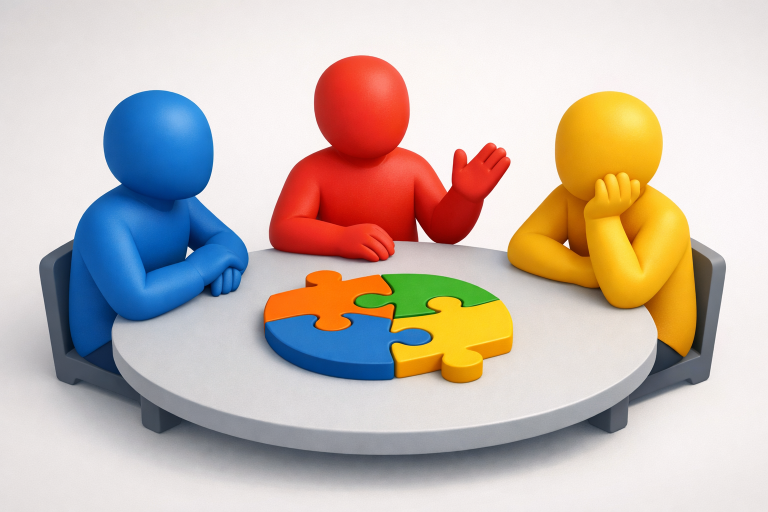
Teams that implement practices such as mirroring back what they have heard, asking clarifying questions, and validating emotions see greater cohesion. These techniques help everyone involved move past positions and focus on interests and needs, laying the groundwork for genuine resolution.
Implementing Structured Frameworks
Organizations that adopt structured conflict resolution frameworks position themselves for lasting harmony. The 3D Harmony™ model, for example, prioritizes Dignity, Dialogue, and Discovery, blending psychological insights with clear communication skills. By following these steps, professionals can overcome impasses and surface creative solutions that benefit the whole team.
Such frameworks reduce ambiguity in the resolution process and give participants confidence that their voices will be heard equally. Structured approaches encourage deliberate reflection, ensure mutual respect, and facilitate agreements that are sustainable over the long term.
Encouraging Diverse Viewpoints
Diversity of thought is a vital asset when dealing with conflict. Teams composed of individuals with different backgrounds, perspectives, and communication styles are naturally more resilient and innovative. Creating a psychologically safe work environment where employees feel confident expressing dissent can prevent echo chambers and lead to more well-rounded, sustainable decisions.
Managers should actively seek input from underrepresented voices and reward constructive debate. According to Harvard Business Review, managers who encourage respectful disagreement help drive more thoughtful and impactful results, which strengthens overall team performance.
Regular Training and Development
Continuous learning is essential for effective conflict resolution. Companies that invest in regular training programs, incorporating techniques like role-playing, communication workshops, and specialized seminars, empower their staff with practical skills to address and resolve tensions quickly.
Frequent development sessions help team members internalize new behaviors, leading to faster, more amicable dispute resolution and a noticeable boost in workplace morale. Over time, this investment cultivates a resilient workforce that is comfortable tackling tough issues constructively.
Organizational Benefits of Proactive Conflict Resolution
Proactive conflict-resolution strategies benefit not only the individuals involved but also the organization as a whole. Teams that handle disagreements early tend to prevent escalation, reduce turnover, and build deeper loyalty among staff. When employees see that their voices matter and concerns are addressed with respect, engagement spikes and workplace satisfaction increases. In this way, conflict, when navigated skillfully, becomes a vehicle for trust, creativity, and shared leadership.
Beyond better morale, organizations that formalize their conflict-resolution processes often see improved decision-making and resilience in the face of challenges. As employees become more comfortable expressing ideas and concerns, silos break down, and new lines of communication are established. These outcomes are vital for companies aiming to stay agile in a constantly changing marketplace.
Integrating Conflict Resolution into Company Culture
Embedding conflict resolution processes into a company’s culture takes dedication and consistency. It starts with senior leadership modeling open communication and constructive conflict behaviors. By weaving conflict resolution principles into onboarding, train-the-trainer initiatives, and leadership development programs, organizations ensure that every employee has the resources and confidence to use these tools.
Celebrating successful collaborations that arose from creative conflict is also important. Recognizing team members who manage disagreements with respect and creativity encourages others to do the same and reinforces a culture where learning from conflict is valued. Regular surveys and feedback loops can further assess the effectiveness of resolution efforts, allowing companies to adapt and improve their policies over time.
Conclusion
Workplace conflict need not be a source of stress or dysfunction. Instead, through creative conflict-resolution techniques such as reframing challenges, practicing empathy and active listening, using structured frameworks, and appreciating diverse perspectives, professionals can leverage disagreements for individual and organizational growth. Ongoing investment in conflict-resolution training ensures that teams remain adaptable, engaged, and prepared to handle any challenge that comes their way.