

Key Components of Modern Industrial Equipment and Lifting Solutions
At the heart of every efficient industrial operation lies a robust system of material handling. Professional-grade equipment is not merely a tool; it’s a strategic investment that ensures precise load control, optimizes operational efficiency, and provides crucial asset protection. The right lifting solutions empower businesses to tackle complex tasks with confidence, transforming potential hazards into streamlined processes.

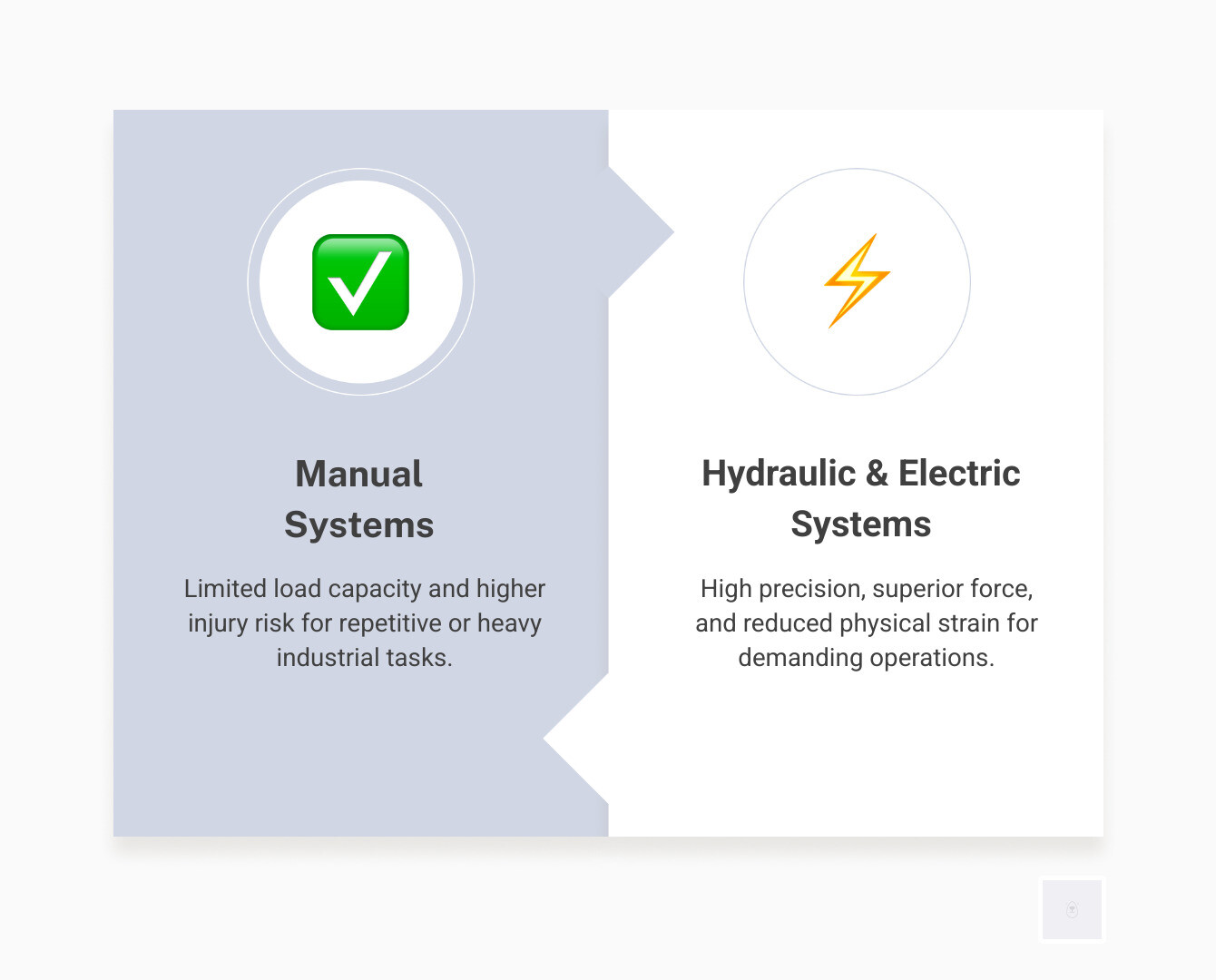
When evaluating options, it’s helpful to consider the fundamental differences between various lifting mechanisms. While manual lifting might suffice for light, infrequent tasks, the demands of industrial settings often require more powerful, sophisticated solutions. Hydraulic systems offer significant force and controlled movement, ideal for heavy, steady lifts, whereas electric systems provide clean, precise, and often faster operations, particularly suited for repetitive tasks.
Primary Types of Industrial Equipment and Lifting Solutions
The landscape of industrial lifting equipment is vast, designed to meet an array of specific needs across diverse sectors. Understanding the main types and their applications is crucial for informed decision-making.
Cranes are perhaps the most recognizable heavy-lifting machines, ranging from massive gantry cranes used in shipyards to overhead bridge cranes spanning factory floors. They excel at moving extremely heavy loads horizontally and vertically over large areas. For instance, the Konecranes SM built-up crane is engineered for precision and performance, offering capacities up to 1,000 tons, even in compact spaces. Similarly, specialized providers like Myshak offer comprehensive lifting solutions, with fleets supporting hoisting capacities from 3 to 825 tons for a multitude of industrial and commercial projects.
Hoists are integral components of cranes, responsible for lifting loads vertically. They can be electric, manual, or pneumatic, selected based on the required lifting speed, the availability of the power source, and the frequency of use.
Forklifts are essential for warehousing and logistics, offering mobility and versatility for stacking, loading, and unloading goods. Their ability to navigate tight spaces and handle palletized loads makes them indispensable for material handling. Modern electric forklifts are increasingly popular for their zero emissions and quiet operation, making them ideal for indoor warehouse environments where ventilation may be limited.
Choosing the appropriate equipment hinges on several factors:
- Load Capacity: The maximum weight the equipment can safely lift. Myshak’s diverse fleet, for example, highlights the need for solutions tailored to specific weight demands.
- Environment: Indoor vs. outdoor, hazardous vs. non-hazardous, temperature extremes, and spatial constraints all influence selection.
- Frequency of Use: Equipment used continuously will require a more robust design and easier maintenance than that used occasionally.
Professional-grade lifting equipment delivers substantial benefits, including enhanced safety by minimizing manual handling risks, increased productivity through faster and more efficient material movement, and improved operational control. For a broader perspective on available solutions, exploring resources like Sky Point Crane’s Industrial lifting equipment solutions can provide valuable insights into the range of options for various industrial applications.
Technological Advancements in Industrial Equipment and Lifting Solutions
The industrial lifting sector is continually evolving, driven by innovations that improve safety, efficiency, and sustainability. Modern lifting solutions are increasingly incorporating advanced technologies that redefine operational capabilities.
Automation is transforming lifting operations, from automated guided vehicles (AGVs) in warehouses to fully automated crane systems in manufacturing. These systems reduce human error, increase speed, and allow for operations in environments unsuitable for human presence.
Load Monitoring systems provide real-time data on load weight, balance, and stress, preventing overloads and ensuring safe lifting practices. These systems often use wireless telemetry to transmit data directly to operators, enabling immediate adjustments during complex lifts. This data can also be used for predictive maintenance, extending equipment lifespan.
Electrification is a significant trend, moving away from hydraulic or diesel-powered systems towards electric alternatives. This shift offers numerous advantages, including reduced emissions, lower noise levels, and often lower operating costs. For instance, the nautical industry has seen the development of electric lifting systems that offer higher efficiency and lower noise pollution, demonstrating the potential for sustainability even in specialized applications.
Material science also plays a crucial role. SSAB’s development of high-strength structural steel for lifting equipment enables lighter yet stronger designs. This enables cranes to achieve greater reach and lifting capacities without increasing overall equipment weight, enhancing performance and energy efficiency.
Furthermore, innovations like regenerative braking are becoming standard in electric lifting systems, particularly in cranes. This technology captures kinetic energy generated during lowering or braking and converts it back into electricity, which can then be reused or fed back into the grid. This significantly improves energy efficiency and reduces the carbon footprint, aligning with broader sustainability goals. Companies like Stinis, known for their expertise in container spreaders since 1967, exemplify how continuous innovation in design and materials can lead to more efficient and reliable lifting components.
The emphasis on energy efficiency and sustainability is not just an environmental consideration; it directly impacts operational costs and regulatory compliance. As we move towards May 2026, these advancements are shaping a future where industrial lifting is not only more powerful but also more responsible.
Ensuring Reliability and Safety in Heavy Material Handling
The inherent risks of moving heavy loads require stringent safety protocols and a steadfast commitment to operational reliability. Beyond the initial selection of equipment, continuous vigilance through regular inspections, adherence to regulatory standards, and proper maintenance are paramount to mitigating risks and ensuring a safe workplace.

Workplace safety in material handling is a multifaceted challenge. The consequences of failure can be catastrophic, leading to severe injuries, fatalities, costly equipment damage, and significant operational downtime. Therefore, a comprehensive approach that integrates robust equipment with rigorous safety measures is non-negotiable.
Safety Standards, Certifications, and Risk Mitigation
Regulatory compliance forms the bedrock of safe lifting operations. Various national and international standards dictate the design, inspection, and use of industrial lifting equipment.
In the UK, the Lifting Operations and Lifting Equipment Regulations (LOLER) require that all lifting equipment be properly planned, supervised, and carried out by competent persons, and that all equipment is subject to thorough examination. In the United States, OSHA (Occupational Safety and Health Administration) standards provide detailed guidelines for crane and hoist safety, rigging, and material handling to protect workers from hazards. For operations in potentially explosive atmospheres, ATEX directives (from the French “ATmosphères EXplosibles”) are critical, mandating explosion-proof designs and specific safety measures.
Equipment designed for such challenging environments, like the Konecranes EXCXT electric wire rope hoist cranes, is built to rigorous standards, offering safe industrial lifting up to 80 tons in hazardous environments. These certifications are not merely bureaucratic hurdles; they are assurances that equipment has been tested and deemed safe for its intended use, significantly reducing the risk of workplace injuries.
The most common causes of lifting-related workplace injuries often stem from:
- Improper Equipment Selection: Using equipment inadequate for the load or environment.
- Operator Error: Lack of proper training or adherence to safety procedures.
- Equipment Malfunction: Due to poor maintenance, wear and tear, or manufacturing defects.
- Inadequate Rigging: Incorrect attachment of loads to lifting devices.
Proper equipment, coupled with rigorous training and regular inspections, is the primary defense against these risks. Comprehensive operator training programs should cover load weight estimation, proper rigging techniques, and emergency shutdown procedures. The UK’s 2021/2022 statistics on musculoskeletal disorders highlight the dire consequences of improper manual handling, underscoring the importance of mechanizing lifts whenever possible and ensuring all lifting equipment is fit for purpose and well-maintained.
Below-the-Hook Devices and Modular Lifting Systems
While cranes and hoists provide the primary lifting power, below-the-hook devices are equally critical for safe and efficient material handling. These components directly interface with the load, ensuring secure attachment and proper balance.
- Slings: Made from chain, wire rope, or synthetic materials, slings are versatile and used for wrapping around or through loads.
- Lifting Magnets: Ideal for handling ferrous materials, magnets allow for quick, hands-free attachment and release, enhancing safety and speed.
- Hooks and Shackles: Essential connectors that link slings to the hoist or other rigging components.
Beyond individual components, modular and customizable lifting systems offer unparalleled operational flexibility. These systems can be easily reconfigured to handle a range of load shapes and sizes, reducing the need for multiple dedicated lifting rigs. Spreader beams, for example, distribute the load over a wider area, preventing crushing or bending of long or flexible materials. The Modulift MOD 800/1500 spreader beam exemplifies this, designed for loads up to 1,500 tonnes and adaptable to various configurations.
Gantry cranes, which are essentially bridge cranes supported by legs running on a track or wheels, offer flexibility for outdoor yards or areas where overhead structures aren’t feasible. These systems, along with other specialized crane equipment and complete lifting solutions, allow businesses to adapt their lifting capabilities to changing project requirements, optimizing space and resources. The ability to reconfigure and reuse components across different lifting scenarios reduces capital expenditure and improves overall efficiency.
Motor Reliability and VFD-Driven Lifting Systems
Modern industrial lifting equipment often relies on advanced motor control systems, particularly those incorporating Variable Frequency Drives (VFDs). VFDs offer precise speed and torque control, enabling smooth acceleration and deceleration, reducing mechanical stress, and enhancing energy efficiency. However, the very technology that provides these benefits can also introduce challenges, specifically related to shaft voltage and electrical bearing damage.
VFDs operate by rapidly switching voltage, which can induce voltages on the motor shaft. If these voltages discharge through the motor bearings, they can cause electrical pitting and fluting, eventually leading to premature bearing failure. This leads to costly repairs, unplanned downtime, and reduced system reliability. To combat this, solutions like AEGIS industrial shaft grounding are critical. These specialized grounding rings provide a low-resistance path for shaft currents to safely discharge to the motor frame, bypassing the bearings.
Implementing AEGIS Shaft Grounding Rings is a proactive measure to prevent VFD-induced bearing damage, significantly extending the wear life of motors in VFD-driven lifting systems. This technology, pioneered by Electro Static Technology, is essential for maintaining system reliability and preventing unplanned downtime in critical lifting operations. By protecting motor bearings, businesses can ensure their equipment operates consistently and efficiently, reducing the risk of premature failure.
Sourcing Reliable Equipment and Supplier Selection
The longevity and safety of industrial lifting solutions begin with reliable sourcing. Choosing the right supplier is as crucial as selecting the right equipment. Businesses should prioritize suppliers that offer certified equipment and demonstrate a deep understanding of industry standards and applications.
When evaluating a supplier, consider:
- Certifications and Compliance: Do they meet relevant national and international safety standards (e.g., ISO, CE, OSHA, LOLER, ATEX)?
- Product Range and Customization: Can they provide solutions that precisely match your load capacity requirements, taking into account your specific environmental factors and usage frequency?
- After-Sales Support: Do they offer installation, training, maintenance, and spare parts?
- Reputation and Experience: Look for established providers with a proven track record. Companies like Lift Solutions Holdings and Lifting Solutions Group offer comprehensive services, from new equipment to inspections and aftermarket support. Similarly, international players like REEL specialize in lifting equipment for demanding industrial environments.
A thorough supplier evaluation process ensures you invest in high-quality, safe, and durable equipment that will serve your operational needs for years to come. By prioritizing reliability and safety from the outset, businesses can build a foundation for optimized industrial operations, minimizing risks and maximizing productivity.