

After a car accident occurs, the focus naturally turns to witness statements and police observations. These records are instrumental in determining what happened but they are only created within a certain period of time. Officers arrive after the accident, witnesses may only know a portion of the event, even the driver may make a statement while being in a state of shock, pain, or confusion.
However, vehicle damage does not rely on memory. The physical evidence stays around long after the scene has cleared. In numerous instances, further analysis of that evidence throws up information that contradicts the initial accident report’s assumptions.
The Problem With First Impressions
Accident reports are not intended to provide a complete forensic investigation. Officers collect information and conduct an assessment to compile a report using the evidence at hand. These reports are valuable but not foolproof.
What looks like a simple problem at first sight can turn into a much more complicated one when repair estimates, photographs, and vehicle inspections are examined. An apparent rear-end accident can actually be the result of unsafe lane changes, sudden braking, or multiple points of contact that were not thoroughly recorded on the scene.
Damage Patterns Make a Timeline
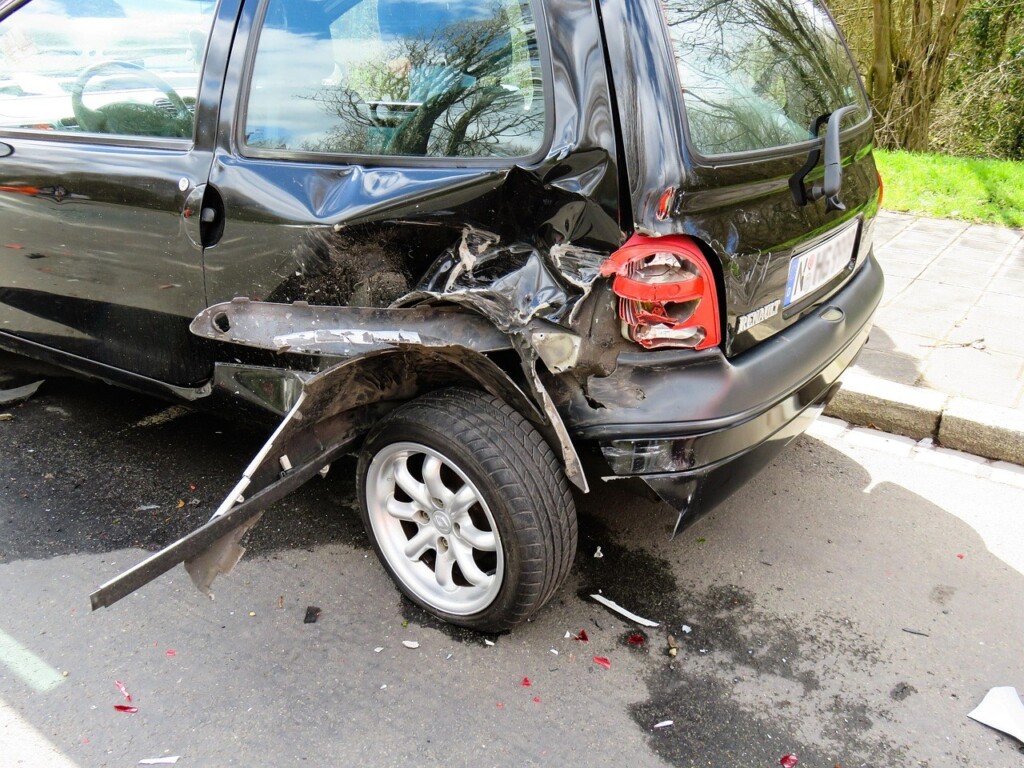
Every collision leaves behind clues. Dents, crushed panels, and the way components fail under impact can help reconstruct how events unfolded. Side damage indicates that the vehicle was turning when it was hit and not going straight.
Irregular crush patterns may indicate braking prior to impact. Damage analysis is frequently useful in multi-vehicle crashes in determining the first impact and subsequent impacts. Damage is often a piece of evidence, with the vehicle itself becoming part of the record.
Why Insurance Companies Pay Attention
A police report is not the only document insurance adjusters will look at. Liability is also determined with:
- Vehicle inspections
- Repair invoices
- Photographs
- Expert evaluations
This is particularly true in cases where statements clash. Two drivers can have entirely distinct recollections of the same accident. When such circumstances arise, physical evidence takes on even more significance as it offers facts that cannot be easily changed or misinterpreted. A report might point to one sequence of events and the damage to another. When such disparities occur, insurers tend to review their original assumptions.
When Disputed Cases Become More Complicated
When serious injuries are involved, the stakes go higher. A disputed liability finding may be a factor in settlement discussions and coverage questions along with case valuation.
A seasoned car accident lawyer Kansas City can collaborate with accident reconstruction specialists to investigate if the physical evidence backs up the official account. Given the high number of car accidents in the city, sometimes damage analysis reveals inconsistencies that might not be known.
In the same way, personal injury attorneys recognize that photographs and repair records can carry as much weight as witness testimony when determining fault.
Looking Beyond the Paperwork
Many people assume an accident report tells the entire story. In fact, it is frequently the starting point, not the final conclusion. Physical evidence remains even after statements are taken and reports are filed. This is why vehicle damage remains such a significant part of a personal injury claim. It creates a permanent record of forces, movement, and impact that is not in written accounts.
Endnote
If you have any questions regarding how the crash happened, the most useful evidence might not be the paperwork. It might be in the repair shop, narrating a different story.