

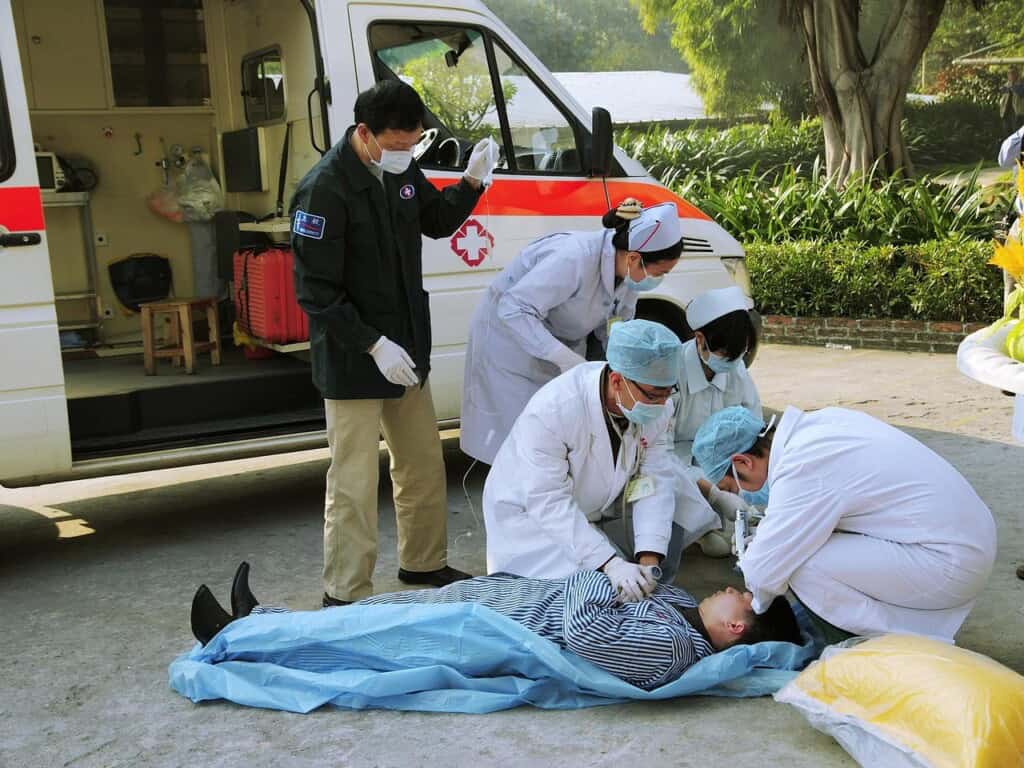
A medical emergency often unfolds with urgency, uncertainty, and high emotional stakes. When complications arise, especially those that appear unexpected or preventable, the aftermath can leave patients and their families grappling with more than physical recovery.
Questions about accountability, standards of care, and legal recourse become increasingly relevant. Understanding your legal rights in these situations goes beyond mere compensation pursuit, but is about clarity, protection, and informed decision-making during a vulnerable time.
Knowing When a Medical Outcome Raises Legal Concerns
Not every adverse medical outcome constitutes negligence. Medicine is inherently complex, and even optimal care does not guarantee favorable results. However, certain circumstances may signal the need for closer examination. These include:
- Misdiagnosis
- Delayed treatment
- Surgical errors
- Medication mistakes
- Inadequate monitoring during critical care
A key distinction lies in whether the healthcare provider deviated from the accepted standard of care.
The Importance of Medical Documentation
Accurate and comprehensive medical records form the foundation of any legal assessment. These documents chronicle the patient’s condition, treatments administered, clinical decisions made, and the timeline of care.
After an emergency, it is essential to request and preserve all relevant records, including hospital notes, diagnostic reports, prescriptions, and discharge summaries. A well-written account of the events, symptoms, conversations with medical staff, and observed changes in the patient’s condition provides context that may not be captured in official files.
Understanding Informed Consent and Patients’ Autonomy
Informed consent is a cornerstone of modern healthcare. Patients have the right to receive clear explanations about proposed treatments, including potential risks, benefits, and alternatives. In emergency situations, this process may be abbreviated due to urgency, but it is not eliminated entirely unless the patient is incapacitated and immediate action is required to preserve life. If a patient of their representative was not properly informed of a significant risk that later materialized, questions about consent and accountability may emerge.
Identifying Liability in Complex Medical Settings
Medical emergencies often involve multiple professionals working in tandem: physicians, specialists, nurses, and support staff. Determining liability in such an environment requires a careful analysis of each party’s role and responsibilities.
In some cases, a single error may be traceable to an individual provider. In other cases, systemic failures such as poor communication or inadequate protocols may contribute to the outcome. Knowing how liability is distributed is crucial for building a comprehensive legal perspective.
Exploring Legal Pathways
Pursuing a legal action does not begin with a lawsuit, but with knowing the available options. Consulting a qualified attorney allows families to assess whether the circumstances meet the criteria for acclaim. This process typically involves a preliminary review of medical opinions and a discussion of potential outcomes.
In situations involving childbirth complications, for instance, families navigating unexpected injuries may want to explore their options through a birth injury lawsuit to better understand their legal rights. This step is about gaining clarity as legal consultations offer a structured way to evaluate whether further action is appropriate.
Endnote
Medical emergencies can alter the course of a patient’s life in profound ways. When complications arise under questionable circumstances, understanding legal rights is an essential part of navigating the aftermath. This understanding is rooted in ensuring that patients and their families have the information needed to make thoughtful, deliberate choices.