
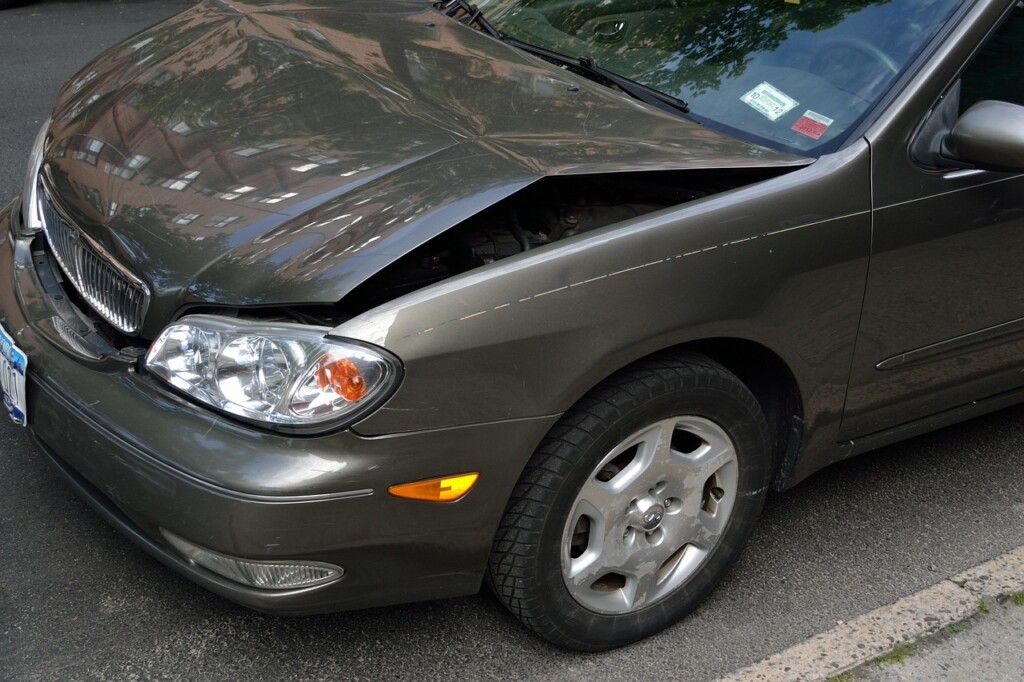
Did you think a fender bender would be a legal matter?
Car accidents as minor as fender benders are no big deal.
No one gets seriously injured.
And a simple repair in the mechanic and car is all done.
If only…
Real car accident victims understand…
Minor car accidents can result in hidden injuries and costly repairs. The mistakes made in the first hours following a fender bender often mean the difference between victims being fully compensated for their losses and paying out of their own pocket for expenses they shouldn’t have to incur in the first place.
The good news is…
Knowing the legal rights to take following a car accident can save both your health and your wallet in the future.
The important information about fender benders legal advice you should know.
- Why Fender Benders are More Serious Than They Look
- Taking the Right Steps Following a Minor Car Accident
- Understanding When Legal Assistance Becomes Necessary
- What Insurance Companies Look for Following a Car Accident
- The Basics of Protecting Your Rights After a Collision
Why Fender Benders Should be Taken Seriously
A fender bender.
The term sounds inconsequential.
Something that occurs on the roads every day.
Yes, that is the case.
But that doesn’t mean the consequences are never serious.
The National Highway Traffic Safety Administration (NHTSA) reports rear-end crashes in particular made up 28.5% of all U.S. car accidents in 2023. Injuries sustained in these collisions reached 461,195 people and took the lives of another 2,701. That doesn’t sound minor to us.
More importantly…
Hidden injuries are more common following a low-speed collision than many realize. Soft tissue injuries, whiplash, and even traumatic brain injuries have delayed onset following a car accident. Victims that don’t properly document these issues in the moments and days after a crash have a more difficult time proving these issues were caused by the accident in the first place.
Repair costs are often higher than it may seem at first glance. The Insurance Institute for Highway Safety (IIHS) puts the average vehicle repair at $4,053 after an accident. And this doesn’t even account for the safety technology built into today’s modern vehicles. Sensors, cameras, and other components can easily drive repair costs higher after a seemingly minor collision.
The Right Steps to Take After a Minor Car Accident
The immediate moments after an accident set the stage for what is to come.
Certain steps can either improve the outcome or hinder an accident victim’s case.
First and foremost:
Check everyone for injuries. Injuries sustained in an accident aren’t always known immediately after the fact. Neck and back pain, for example, can take time to develop.
Get vehicles out of harm’s way. Turn on hazard lights. Move vehicles as far from oncoming traffic as possible while it is safe to do so.
Start to document everything:
- Take photographs of vehicle damage. Snap images of damage from all angles. Get close-up shots as well.
- Photograph the accident scene. Note road conditions in the images captured.
- Get witness information. A simple name, phone number, and email address can help later.
- Record details about the accident. Be sure to note the date, time, location, and weather conditions at the time of the crash.
Call the police to the scene of the accident.
This can’t be emphasized enough. Drivers too often choose not to call police for minor accidents. The reporting of the accident and the creation of a police report by law enforcement provide an objective account of the incident. Insurance companies will then review this information along with the other evidence.
Remember, certain accidents have to be reported to authorities even if there isn’t much damage.
When to Get Legal Assistance
Car accidents don’t always require the aid of a lawyer.
There are, however, instances where legal help is absolutely required.
Legal assistance should be sought:
- When injuries present themselves later.
- When the at-fault party’s insurance company is challenging liability.
- As medical bills start coming in.
- When settlement offers from an insurance company don’t cover all expenses.
- When the victim and at-fault driver disagree on what occurred.
It’s also a good idea to at least have a legal consultation as soon as possible. Remember, insurance companies and their insurance adjusters have entire teams working to save the company money on claims. Accident victims need someone on their side to level the playing field.
Insurance Company Approaches to Car Accident Claims
Knowing how insurance companies handle car accident claims makes accident victims better equipped to protect themselves and their legal rights.
Adjusters, underwriters, and attorneys work for the insurance company, not accident victims.
Here’s the truth…
Insurance adjusters will work to pay out claims as cheaply and as quickly as possible. That small ding in the front bumper was probably there before, they’ll say. That soreness in your back? We doubt it’s the accident’s fault.
If a victim decides to file a claim, here is what to expect:
The company will investigate. The adjuster assigned to the claim will look over the police report, request a recorded statement from the victim, and review photos of vehicle damage and the accident scene.
Don’t make these mistakes:
- Accepting or admitting liability.
- Agreeing to a recorded statement without understanding the implications.
- Accepting the first settlement offer.
- Skipping medical care for seemingly “minor” injuries.
- Signing a release before understanding the extent of injuries.
Documentation is key here. Medical records, repair estimates, and witness statements all help to support a victim’s claim.
Protecting Your Rights Following a Collision
The first hours and days after a car accident can impact the success of any claims process.
Good decisions now can help to avoid headaches later on.
Seek medical care.
Even if there are no immediately apparent injuries, victims should seek out care. This is to not only check for injuries that may have not presented themselves, but to create a medical record in case they do later on.
Don’t discuss fault or liability.
Exchange contact and insurance information, but keep any discussion at the scene of the accident factual. Avoid saying things that could come back to haunt you later.
Statements like “I didn’t see you” and “Sorry, my fault” can come back to bite a victim during the claims process.
Maintain accurate and thorough records.
Keep all documentation related to the accident. This includes medical bills, repair invoices, and correspondence with insurance companies.
Record notes about any pain or limitations caused by the accident as well.
Know the statute of limitations.
States have time limits on how long a victim has to file a claim for injuries and other accident-related damages. Failure to meet these deadlines means a victim will never be able to get compensation.
Statutes of limitations for filing an injury claim are different for each state.
A lawyer can help to clarify these.
Building a Case
The difference between winning and losing often comes down to preparation.
The most successful cases often have the following evidence.
- Medical documentation of injuries following the accident.
- Photographs showing vehicle damage.
- Witness statements that back up the victim’s account of the accident.
- A police report that clearly establishes the facts.
- Expert testimony, if necessary to show cause and effect of complex injuries.
Victims of an accident have the burden of proof when it comes to making a case for compensation.
Without any and all documentation, even the most legitimate of claims can be denied.
The Bottom Line on Fender Benders Legal Advice
Fender benders aren’t always as simple as they appear.
The injuries they cause can be quite severe.
The financial impact can be much larger than victims initially realize.
The legalities surrounding the process can be overwhelming and confusing for those not well versed in the system.
As a brief recap:
- Document, document, document the accident as best as possible.
- Call the police, no matter the extent of damage.
- Seek medical attention even if you have no outwardly visible signs of injury.
- Never admit fault or discuss liability at the scene of the accident.
- Seek legal assistance when in doubt.
If you want to protect your health and your legal rights, even the smallest of accidents should be taken seriously.
Something that appears to be an inconvenience now can quickly become an issue down the road.