
Table of Contents
- Choose the Right Gear
- Plan Your Route
- Stay Visible
- Navigate Intersections Safely
- Be Aware of Blind Spots
- Avoid Distracted Riding
- Understand Traffic Laws
- Maintain Your Bicycle
City cycling can be an empowering and efficient way to move through congested streets. However, urban environments present unique hazards, ranging from heavy traffic to unpredictable pedestrians. Staying safe means equipping yourself with the right knowledge and adhering to proven safety measures. Understanding local helmet laws and other legal requirements is just the beginning when it comes to personal protection and urban cycling etiquette.
Whether you’re new or experienced in city cycling, practicing these tips helps ensure safer commutes. Vigilance, preparation, and respect reduce accidents and make rides enjoyable. Master foundational safety habits first, then advance your skills. Urban cycling isn’t just about efficiency—it also promotes respect and community.
Choose the Right Gear
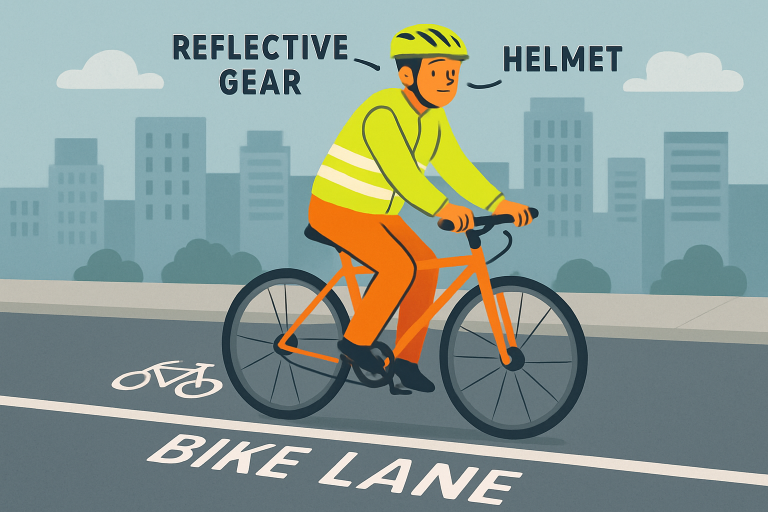
Investing in proper cycling gear is essential for urban riding. A high-quality helmet is crucial, ideally meeting safety standards such as those set by the CPSC or EN 1078, and should fit snugly to ensure optimal protection. Visibility is paramount; therefore, wearing high-visibility clothing, such as neon vests or fluorescent jackets, along with reflective bands, is recommended, especially in low-light or rainy conditions, to enhance visibility. Essential accessories for urban cycling include gloves for hand protection and improved grip, rearview mirrors for better situational awareness, a bell or horn to alert pedestrians and vehicles, and sturdy closed-toe footwear. It is essential to choose functional gear that is suitable for the climate, as this can significantly reduce the likelihood of injuries in unexpected falls or accidents.
Plan Your Route
Urban roads can be intimidating, especially during peak hours. Plan routes that favor bike-friendly streets with dedicated lanes and less traffic, using tools like city maps or apps such as Google Maps’ cycling feature. Pre-ride assessments during daylight help spot hazards, construction, and safe intersections. Experienced cyclists suggest choosing well-lit streets for evening rides to see potholes, debris, or obstructions. Planning ahead lessens stress, enhances safety, and makes cycling smoother.
Stay Visible
Visibility is crucial for city cyclist safety. Equip your bike with a bright white front light and a red rear light—ensure they are charged or have fresh batteries before each ride. Use wheel and pedal reflectors to enhance visibility, catching drivers’ attention from the side. Wear brightly colored or reflective outerwear, even during the day, to boost visibility in busy urban areas.
Many municipalities require lighting for night riding. Check local laws to comply and avoid fines. Improved visibility not only increases safety but also shows consideration for other road users, helping prevent accidents.
Navigate Intersections Safely
Most urban cycling incidents occur at intersections, where cyclists must interact directly with motor vehicles. Approach intersections with heightened caution by signaling your intentions early—use clear hand signals to indicate turns or lane changes. Always position yourself in the correct lane for your direction, and avoid the “door zone” alongside parked vehicles where doors may suddenly open.
When approaching a red light or stop sign, come to a complete stop and make eye contact with adjacent drivers to confirm they have seen you. For particularly tricky intersections, don’t hesitate to dismount and cross as a pedestrian if you feel it’s safer. Prioritize your safety over speed or convenience, and stay alert to cars making sudden turns or running traffic signals.
Be Aware of Blind Spots
Large trucks and buses present significant risks due to their extensive blind spots. As a general rule, if you can’t see the vehicle’s mirrors or the driver’s face, they can’t see you. Avoid riding beside or immediately behind these vehicles, especially near intersections and busy thoroughfares. Instead, hang back or position yourself slightly ahead where the driver’s visibility includes your location.
If navigating around stationary buses or trucks, give them extra space to account for sudden movements or wide turns. Patience and awareness are vital; never assume drivers can see you, and always prioritize positioning yourself in safe, visible spots on the road.
Avoid Distracted Riding
Just as with driving, distraction on a bicycle is dangerous. Resist the temptation to use headphones, mobile phones, or other devices while riding. Multi-tasking can substantially slow your reaction time during critical moments. Keep both hands on the handlebars and your focus on traffic, signals, other cyclists, and pedestrians. If you need to check your phone or listen to directions, pull over to a safe location.
Urban cycling demands full situational awareness to anticipate potential hazards—riding distraction-free is not only good practice but an essential safety principle that protects you and those sharing the road.
Understand Traffic Laws
Complying with local laws is fundamental for cyclist safety and respectful road sharing. Always ride in the same direction as traffic, adhere to the same rules as motorists, and stop for all lights and signs. Many cities provide exclusive bike lanes—use them whenever available, as they are designed for your protection and to streamline city traffic flow.
Familiarize yourself with local variations of traffic regulations, such as bike boxes or special traffic lights for cyclists. Obeying rules isn’t just about avoiding tickets; it cultivates trust and predictability among all road users, making commutes safer for everyone involved.
Maintain Your Bicycle
A well-maintained bike is less prone to dangerous breakdowns and helps you respond efficiently in emergency situations. Before every ride, inspect key components, including tire pressure, brake responsiveness, light functionality, and the tightness of quick-release skewers. Regularly lubricate your chain and be attentive to unusual noises that could signal mechanical issues. Schedule periodic check-ups at a reputable bike shop to keep your ride in safe working order.
Conclusion
Urban cycling is as much about community and awareness as it is about transportation. By adopting diligent safety habits, maintaining your bike, and engaging respectfully with other road users, you’ll foster a safer, more enjoyable experience for all. Prioritize visibility, communication, and local knowledge every time you cycle the city streets.