
Key Takeaways
- Seeking immediate medical attention and gathering evidence are critical first steps after an accident.
- State laws and insurance policies play important roles in the compensation you may obtain.
- With professional legal support, accident victims can avoid common mistakes and improve their chances of fair compensation.
Table of Contents
- Immediate Steps Post-Accident
- Understanding Insurance Coverage
- State-Specific Laws and Regulations
- Documenting Your Claim
- Engaging Legal Counsel
- Avoiding Common Pitfalls
- Calculating Fair Compensation
- Conclusion
Navigating the aftermath of an accident can be complex and overwhelming, as you strive to recover physically, emotionally, and financially. In these challenging times, knowing how to take action and protect your interests is crucial. From immediate medical care to thorough documentation and understanding your rights, each step is vital. To ensure you have the guidance and support you need, working with experienced professionals like Valero Law Group Injury Lawyers can make a significant difference in the outcome of your case.
Many accident victims face the dual challenge of healing while also advocating for themselves in the claims process. The choices made right after an accident, as well as throughout the compensation process, can affect the resolution you receive. By learning the essentials of fair compensation, you empower yourself to protect your rights and pursue justice.
Immediate Steps Post-Accident
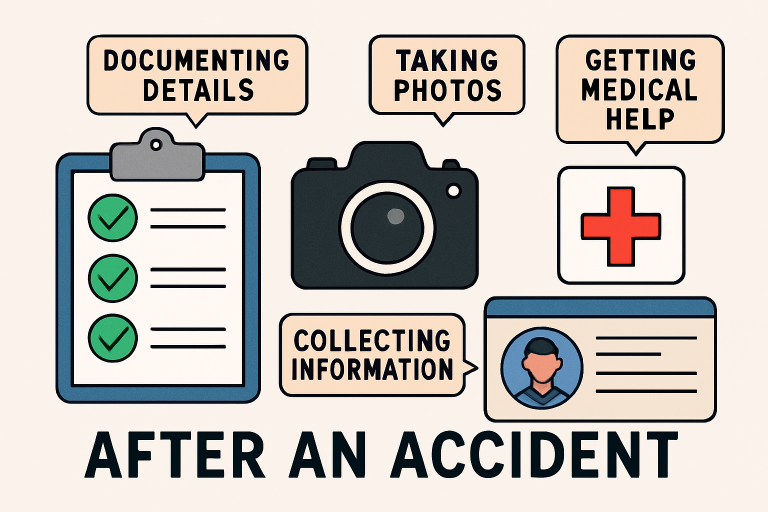
Your health and safety should always be your primary concern after an accident. Even if injuries seem minor, a prompt medical evaluation is necessary. Injuries such as concussions or internal bleeding may not be immediately visible but can have serious consequences if left untreated. Initiating medical care also forms the foundation of your injury claim, linking your injuries to the accident in official medical records.
If the accident involves other vehicles or people, move to a safe location if possible, and call emergency responders. Collect vital information from all involved parties, including names, insurance details, and contact numbers. This information serves as basic evidence, essential for pursuing compensation later.
Understanding Insurance Coverage
Insurance policies outline what is and what is not covered in the event of an accident. States like California are updating minimum coverage requirements, which means more comprehensive protection for those affected by accidents. Understanding the terms of your insurance policy, such as liability limits or the difference between fault and no-fault coverage, will clarify your options and help you plan your next steps.
Many people are caught off guard by exclusions or limitations hidden in their insurance agreements. If you are unfamiliar with terms like “underinsured motorist coverage” or “personal injury protection,” now is the time to review your policy details. Knowledge of your rights under your insurance plan will help you avoid costly mistakes and missed opportunities for compensation.
State-Specific Laws and Regulations
The process of compensation varies significantly from state to state. Some states operate under no-fault rules, requiring everyone to seek compensation from their own insurance first, regardless of who caused the accident. Others follow a traditional fault-based system, in which the responsible party’s insurance must cover the damages. For example, Florida uses a no-fault approach, while Oklahoma is a fault-based state.
Learning about your state’s legal requirements and how they affect insurance claims and lawsuits can give you an advantage during negotiations and in court. This knowledge can be the difference between a minimal settlement and one that truly addresses your needs.
Documenting Your Claim
A strong claim is built on evidence. Start by documenting everything related to the accident. Take photos of injuries, property damage, and the accident scene from multiple angles. Preserve any physical evidence, such as damaged clothing or auto parts. Obtain written statements and contact information from witnesses. Request a copy of the official police report and keep records of all medical treatments, prescriptions, and therapy sessions.
Maintaining organized records of lost wages, out-of-pocket expenses, and communication with insurance representatives can prove invaluable for demonstrating your losses and negotiating fair settlements.
Engaging Legal Counsel
Experienced legal assistance can be a critical factor in obtaining fair compensation. Attorneys specializing in personal injury know which evidence to gather and how to counter the tactics insurance companies often use. They can negotiate on your behalf, handle paperwork, and represent you in court if necessary. By involving a professional early, you can avoid critical errors that may jeopardize your case.
Avoiding Common Pitfalls
Insurance companies may attempt to minimize your compensation by scrutinizing your social media posts or persuading you to provide recorded statements without legal advice. Be cautious when discussing your accident online, and never sign any documents or accept settlement offers without a full understanding of your rights and potential long-term costs. Early settlements rarely reflect the total value of your claim, and you may be entitled to much more if you fully assess your damages and losses.
Calculating Fair Compensation
Compensation should reflect the full extent of your losses, not just immediate expenses. You may be entitled to reimbursement for medical bills, property damage, pain and suffering, lost income, and diminished quality of life. The calculation process can be complex, requiring expert opinions and financial projections. Using reliable resources and consulting professionals can help you estimate your claim’s value accurately.
Conclusion
Seeking fair compensation after an accident demands knowledge, timely action, and persistence. From immediate care and documentation to understanding your insurance and state laws, each step is important to protect your well-being and financial future. With informed decisions and experienced legal support, you can face the process confidently and improve your chances of obtaining the compensation you deserve.