
The bursting of a pipe can transform an ordinary day into an expensive crisis within a few minutes. Sudden water outburst may destroy floors, walls, electrical, furniture and other personal properties and when unattended it may lead to structural damages and moulds. The knowledge of how to handle a burst pipe insurance claim is the key to safeguarding your finances and the quick restoration of order. The more you know about your policy, the more you have documented and the better you have explained to your insurer, the higher chances that you will be achieving a fair settlement.
Immediate Mitigation Measures
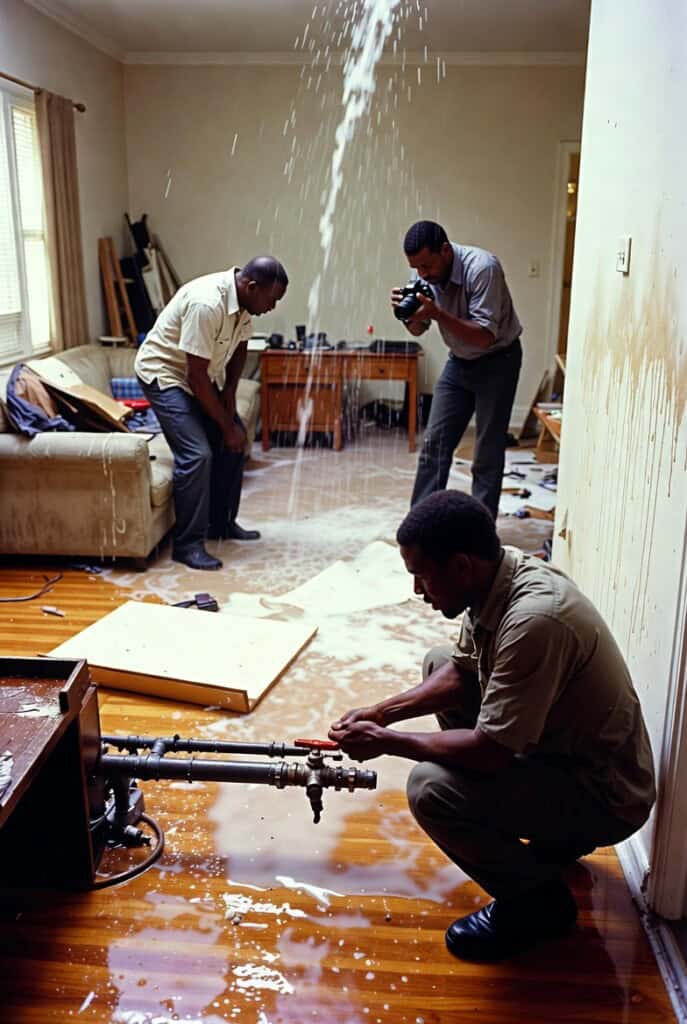
The initial step in case of bursting a pipe is to avoid further destruction. The majority of policies demand that policyholders should make reasonable efforts to reduce losses after an incident has taken place. Common measures taken are the shutting off of the main water supply, drawing out of standing water where secure and carrying out of undamaged goods out of the afflicted regions and start of straightforward drying. By postponing such steps, the claim can be made more complicated or the compensation can be reduced since insurers can make a distinction between the first damage of water and the damage that has happened as a result of inaction.
Thorough Documentation of Damage
Before mitigation has been implemented, documentation is the mainstay of a solid claim. Take photographs and record videos of all the areas affected prior to significant clean up, ceilings, walls, flooring, and damaged property. Make a list of all of the belongings that have been affected and record make, age, condition, and approximate value. Retain bills of emergency plumbing, drying machines, cleaning service and temporary accommodation in case of need. A systemized record proves the extent of loss and aids in valuation in the process of adjuster scrutiny.
Understanding Coverage and Policy Terms
Burst pipe coverage is usually provided in cases where the event is unplanned and unintentional. Exclusions are, however, general. Damage that is due to continuous leaks, corrosion, or the lack of maintenance is not covered most of the time. Pipes that are frozen can only be covered when proper heating or insulation measures are undertaken. Read your deductible, coverage limits and endorsing so as to know the anticipated out of pocket expenses and reimbursement plan prior to filing.
Filing and Managing the Claim
It is important to report the loss to your insurance company as soon as it has been made. Provide certain factual information: date and time of the burst, point of rupture, and areas it has impacted and those actions that have already been taken. An adjuster would tend to visit the property and demand some other documents. Reply in a timely manner, still, scroll estimates and reports to be sure that they capture the complete scope of harm. Document all communications in writing and retain copies of all the documents that are exchanged.
Leveraging Professional Assessments
Professional assessments are useful in situations of massive losses or structural problems. The cause of failure can be found out by licensed plumbers, contractors, or restoration specialists, who are able to measure the amount of moisture damage and suggest remediation measures. Their reports can aid in determining that the loss happened suddenly and accidentally and can also assist in determining coverage. Extensive actions, such as drying, dehumidification, cleaning, and prevention of the mould are not limited to surface fixes.
Depreciation vs. Replacement Cost
Understand your policy in terms of payment of claims. The actual cash value policies include depreciation policies that decrease payouts depending on age and wear of items. The replacement cost value policies reimburse the value of the money involved in the replacement of broken property with a new one of equal type and quality. The difference will establish the level at which you will be reimbursed and your decision making on a post loss purchase thus you must make this distinction apparent in the initial stages of the process.
Building Future Resilience
Once repaired, think about what to do to stop the same. Wrap exposed pipes, keep the indoors of the house warm in cold weather, fix the small leaks at the earliest, and think of a leak detector or an automatic shut off value. Risk reduction lowers risk, secures your property and possibly has a positive impact in the future underwriting issues.
Conclusion
One of the inconvenient things is a burst pipe, though a disciplined attitude will go a long way to mitigate the stress and economic loss. Get to work to limit the losses, keep as many records as possible, know what you are insured against, and talk effectively with your insurer. In the need, a qualified professional is to be involved in aiding proper assessment and remediation. With the ability to prepare and achieve informed claim management, you will manage to sail through the process of the burst pipe insurance claim and rebuild your property with certainty.