

Many parents are surprised to learn that their personal habits can be closely examined during a child custody case. Even in states where marijuana is legal, courts still focus on what is best for the child. Understanding how marijuana affects parental rights can help you avoid mistakes that may negatively impact your custody situation.
Family courts do not automatically punish a parent for using marijuana. However, consumption can become an issue if it affects parenting ability, child safety, or decision-making.
How Custody Decisions Are Made
In custody cases, judges use the “best interests of the child” standard. This means the court looks at many factors, including:
- Each parent’s ability to provide a safe and stable home
- Physical and mental health of both parents
- History of substance abuse
- Parenting involvement and responsibility
Marijuana use becomes relevant when it raises concerns about a parent’s ability to care for their child properly.
Legal vs. Illegal Marijuana Use
Even if marijuana is legal in your state, family courts can still consider its impact on parenting. Legal use does not mean risk-free use when custody is involved.
If marijuana is illegal in your state, use may carry even more weight in court. Illegal activity, even unrelated to parenting, can affect how a judge views responsibility and judgment.
When Marijuana Use Becomes a Problem
Marijuana consumption may affect a custody case if it interferes with daily parenting tasks. Courts may be concerned if a parent:
- Uses marijuana while supervising a child
- Appears impaired during parenting time
- Keeps marijuana within a child’s reach
- Drives with a child after using marijuana
In these situations, the court may view marijuana use as a potential safety risk.
Impact on Physical and Mental Health
Judges may consider whether marijuana affects a parent’s mental clarity, emotional stability, or reaction time. If there is evidence that use impacts mood, motivation, or attention, it could raise red flags.
Courts may also look at medical records, treatment history, or expert opinions when evaluating these concerns.
Drug Testing in Custody Cases
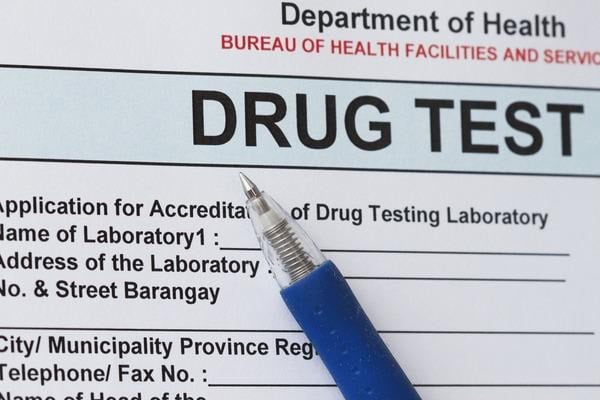
In some cases, the court may order drug testing. This is more likely if the other parent raises concerns or presents evidence of excessive use.
Failing a drug test or refusing to comply with testing can harm your case. Even occasional use may show up in certain tests.
Medical Marijuana Considerations
Having a medical marijuana card does not automatically protect a parent in a custody case. While medical use may be legal, courts still evaluate how it affects parenting.
Judges often want to see responsible use, such as proper storage, dosage control, and use outside of parenting time.
Social Media and Marijuana Use
Social media posts can play a role in custody cases. Photos or videos showing marijuana use may be used as evidence, even if they are old or taken out of context.
Avoid posting anything that could suggest unsafe or irresponsible behavior around children.
How to Protect Your Custody Rights
If you are involved in a custody case, taking proactive steps can help protect your parental rights. Consider these actions:
- Avoid using marijuana during parenting time
- Keep all substances locked away and out of reach
- Follow all court orders and testing requirements
- Be honest with your attorney about your use
Demonstrating responsibility and child-focused behavior can make a positive impression.
Why Legal Guidance Matters
Custody cases are complex, and marijuana laws continue to change. An experienced family law attorney can help explain how local courts handle marijuana use and guide you through the process.
Legal advice can help you understand risks, prepare evidence, and avoid costly mistakes.
Key Takeaways
- Courts focus on the best interests of the child, not personal habits alone.
- Marijuana use can affect custody if it impacts safety or parenting ability.
- Legal marijuana use can still be questioned in family court.
- Drug testing may be ordered in some custody cases.
- Medical marijuana use is not automatically protected.
- Social media posts can be used as evidence.
- Responsible behavior helps protect parental rights.
- Understanding how marijuana affects parental rights can help you make informed decisions.