
Creative attempts and authentic wandering play a critical role in business growth and personal popularity. Ideas shape manufacturers, products, written works, and innovative systems that require the right possession of readability. Intellectual property safety helps creators hold authority over their work while lowering misuse or unauthorized copying. Many people struggle to differentiate between the main protection types available, which frequently results in overlooked possibilities or weak criminal insurance.
Understanding how distinct highbrow assets tools characteristic lets in creators and companies to pick protection that matches their goals. Each option serves a specific reason and applies to distinct sorts of creation. Clear consciousness prevents confusion and facilitates avoiding felony disputes that arise from unsuitable use or registration.
Understanding Patents and Their Role in Technical Innovation
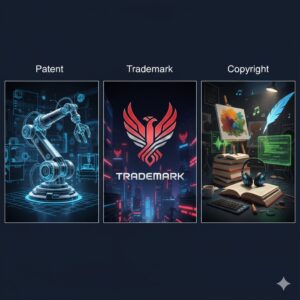
Patents protect inventions that introduce a new solution, method, or meaningful functional improvement. This type of protection focuses on practical innovation rather than branding or visual elements. Inventors receive exclusive rights for a defined period, allowing controlled use, commercialization, and licensing while preventing others from making or selling the invention without authorization.
A thorough evaluation before filing is essential, as originality and usefulness are closely examined during review. Professional guidance often helps clarify classification and documentation requirements, and many creators reference established intellectual property resources such as https://www.incompassip.com to better understand filing readiness. Patent protection supports long-term research investment by offering legal assurance against unauthorized imitation.
Key Patent Characteristics and Legal Requirements
- Protects inventions that introduce functional improvement through original and useful technical solutions.
- Grants exclusive authority to inventors for manufacturing, selling, or licensing the approved creation.
- Requires public disclosure of design details after approval to support knowledge sharing.
- Valid for a limited time period, depending on the invention category and legal standards.
Trademarks and Brand Identity Protection Strategies
Trademarks shield symbols, names, phrases, or designs that distinguish one emblem from others. This safety focuses on identification as opposed to invention. It facilitates customers to recognize the supply of products or offerings and builds consideration over the years. Strong trademark safety prevents confusion and protects brand popularity.
Registration strengthens prison status and offers broader enforcement energy. Even unregistered marks may additionally acquire confined rights via utilization, but formal registration affords readability and national recognition. Trademarks assist steady branding strategies and long-term market presence.
Core Trademark Elements for Business Recognition
- Covers names, logos, slogans, and symbols used to represent products or service offerings.
- Helps consumers identify origin and maintain confidence in quality and reliability.
- Can remain valid indefinitely through continuous usage and renewal compliance.
- Prevents similar marks that may mislead customers or weaken brand distinction.
Copyright Protection for Creative and Original Works
Copyright protects original creative expressions fixed in a tangible form. This includes written material, visual art, audio content, and software code. Protection arises automatically upon creation, without mandatory registration. Copyright focuses on expression rather than ideas themselves.
This protection grants creators control over reproduction, distribution, and adaptation. Registration enhances enforcement strength and provides legal benefits during disputes. Copyright supports artists, writers, and developers by recognizing creative ownership and encouraging original contributions.
Copyright Coverage and Creator Ownership Rights Explained
- Applies to original works expressed through writing, sound imagery, or coded structure.
- Begins automatically when the work is created and recorded in tangible form.
- Allows creators to authorize reproduction, sharing, and derivative development.
- Lasts for an extended period, often covering the creator’s lifetime plus additional years.
Comparing IP Protection Options
Feature | Patents | Trademarks | Copyrights |
Primary Focus | Technical and functional innovations. | Brand identity and market recognition. | Original creative and artistic expressions. |
What is Protected? | New solutions, methods, or functional improvements. | Names, logos, slogans, and symbols. | Books, art, audio, and software code. |
Main Goal | Prevent others from making or selling an invention. | Stop consumer confusion and protect brand reputation. | Control reproduction, distribution, and adaptation. |
Duration | Limited time (varies by category and legal standards). | Can last indefinitely with continuous use and renewals. | Often the creator’s lifetime plus additional years. |
Requirement | Must be original, useful, and publicly disclosed. | Must distinguish one brand from all others. | Work must be fixed in a tangible form (recorded). |
Choosing the Right IP Protection for Your Assets
Selecting the right form of intellectual property protection depends on the nature of what is being created. Inventions typically require patent coverage, brand identifiers rely on trademark protection, and original creative works are safeguarded through copyright. In some cases, a single project may involve multiple protection types working together to provide complete coverage.
Thoughtful planning helps avoid unnecessary costs and prevents gaps in protection that can weaken long-term value. When creators clearly understand the scope and limits of each option, they can build layered strategies that align with real-world goals, often with guidance from established intellectual property resources such as incompassip.com.
Common Misunderstandings and IP Myths Clarified
Many misconceptions exist around intellectual property, leading to incorrect assumptions.
Distinguishing Between Different IP Legal Frameworks
- Patents do not protect brand names or visual symbols used for market recognition.
- Trademarks do not cover functional inventions or technical operational processes.
- Copyright does not protect ideas, concepts, or methods without an expressed form.
- Registration processes differ greatly and require separate evaluation criteria.
Strategic Protection Insights for Portfolio Management
Effective intellectual property planning involves awareness and proactive decision-making. Creators benefit from early assessment of their work and its protection needs. Combining legal knowledge with professional guidance improves long-term security and commercial value.
Monitoring usage and enforcing rights are equally important after registration. Consistent management prevents dilution and unauthorized exploitation. Reliable intellectual property platforms and advisory services assist creators in maintaining compliance and clarity throughout ownership stages.
Making Smart IP Decisions for Long-Term Growth
Choosing the right protection direction calls for a considerate evaluation of creative assets and future dreams. Understanding how patents, emblems, and copyright differ empowers creators to behave with confidence and precision.
With informed decisions and well-structured planning, intellectual assets can become a valuable business and personal resource rather than a source of confusion. Reliable guidance plays a key role in this process, helping creators align protection strategies with practical needs and long-term goals while maintaining clarity and confidence throughout the process.