
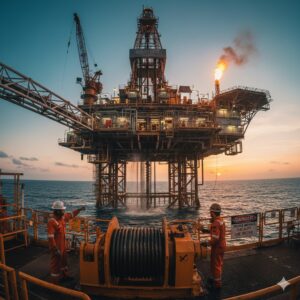

The extraction of energy resources is the backbone of the global economy, providing the raw materials needed for transportation, heating, and manufacturing. Across the plains of Texas and the offshore rigs in the Gulf, thousands of workers dedicate their lives to this demanding profession. It is a world of massive steel structures and high-pressure systems that operate around the clock to meet the world’s insatiable demand for fuel.
However, the environment of an active drilling site is fundamentally different from a standard industrial or construction setting. The combination of heavy machinery, volatile substances, and extreme weather creates a landscape where a single mistake can have catastrophic consequences. It is a profession that requires constant alertness and a deep respect for the physical forces at play during every shift of the day.
Families and prospective employees often look at the high wages offered in the sector and weigh them against the physical toll of the work. Many individuals find themselves researching the data to understand exactly how dangerous is oil field work before they decide to head out to a remote rig. This awareness is a critical part of maintaining safety in an industry defined by its unique and persistent hazards today.
Heavy Equipment and Machinery Risks
The sheer scale of the machinery used on a modern drilling rig is enough to intimidate even the most experienced industrial professionals. From massive rotating drill strings to high-capacity winches, the equipment is designed to exert incredible force deep into the earth’s crust. Every moving part represents a potential pinch point or a crushing hazard for those working in the immediate vicinity of the floor.
Mechanical failures can occur without any warning, turning a routine task into a life-threatening crisis in a matter of seconds. A snapped cable or a failing hydraulic line releases a burst of energy that can strike a worker with devastating speed and power. The weight of the steel components means that even a minor slip during maintenance can result in a permanent and life-altering physical injury.
Strict safety protocols and frequent inspections are the only way to manage the risks associated with such powerful industrial tools. Workers must be trained to stay out of the “line of fire” and to communicate clearly with the equipment operators at all times. Despite these efforts, the physical reality of the machinery remains one of the primary dangers faced by the oilfield workforce during every single shift.
Fire, Explosion, and Chemical Exposure
The substances being extracted from the earth are inherently volatile and often under immense natural pressure before they reach the surface. A sudden surge in pressure, known as a blowout, can lead to the release of flammable gases that ignite instantly upon contact with any heat source. These events are the most feared occurrences on a rig because of their potential for widespread and total destruction.
Beyond the risk of fire, workers are also exposed to a variety of toxic chemicals and drilling fluids during the extraction process. Hydrogen sulfide gas, which is often found in oil deposits, is a silent and deadly threat that can overcome a person in a single breath. Proper ventilation and personal monitoring equipment are mandatory requirements for everyone working in these specific areas of the site.
Long-term exposure to these industrial materials can also lead to chronic health issues that might not appear until many years after a person leaves the patch. Managing these invisible hazards requires a commitment to environmental safety and the use of specialized protective gear for every task. The volatile nature of the work environment ensures that the risk of a chemical incident is always present.
Fatigue and Long Shifts
The logistical demands of the oil industry often require workers to follow a schedule of long shifts and several weeks of consecutive work. A standard “hitch” might involve twelve hours of intense physical labor every day for fourteen or twenty-one days straight without any real time off. This grueling pace is designed to keep the rig moving but takes a massive toll on the human body.
Fatigue is a silent contributor to many of the accidents that occur on a well site, as exhaustion clouds the judgment needed for safety. A tired worker is much more likely to skip a step in a protocol or fail to notice a developing mechanical issue. The mental lag caused by a lack of rest creates a dangerous environment for everyone sharing the site.
Managing the cognitive load of these long hours is a constant challenge for both the individuals and the companies that employ them. Breaks and proper nutrition are essential, but they cannot entirely replace the need for a normal and consistent sleep cycle. Exhaustion remains one of the most significant human factors that increases the overall risk of a tragic event in the oilfield.
Remote Locations and Emergency Response
One of the most difficult aspects of a serious oilfield injury is the physical distance between the rig and the nearest trauma center. Many drilling sites are located in remote deserts or miles offshore, making it impossible for standard emergency services to reach a victim quickly. This isolation turns a manageable medical crisis into a life-threatening struggle for survival during the first hour.
Companies must maintain their own on-site medical staff and specialized first aid kits to handle the initial response to an accident. However, these medics are often limited in what they can do for a patient who has suffered an internal injury or a severe burn. The time required for a medevac helicopter to arrive can be the difference between a full recovery and a fatality.
The logistical challenges of a remote rescue are further complicated by extreme weather conditions that can ground aircraft or block access roads. When the environment turns hostile, the workforce is essentially on its own until the situation clears enough for professional help to reach them. This isolation is a fundamental part of the risk profile for every person working in the remote oil patch.
Conclusion
Summarizing the hazards of the oil industry reveals a workplace that is unlike almost any other in the modern world today. The combination of massive machinery, volatile chemicals, and extreme physical exhaustion creates a landscape where safety must be the absolute and primary focus. It is a job that demands a high level of courage and professional discipline from everyone involved.
By understanding the causes of accidents and the limitations of emergency response, workers can better prepare for the realities of the rig. The high wages are a reflection of the risks taken and the skills required to navigate such a demanding and hazardous environment. Protecting the workforce requires a constant commitment to innovation and the highest possible safety standards for the future.
Ultimately, the goal is to ensure that every person who heads out to the patch returns home safely to their family at the end. While the work remains inherently dangerous, the industry continues to evolve and implement new technologies to mitigate the risks faced by its people. Respecting the hazards and the hard work of the oilfield is essential for every resident today.